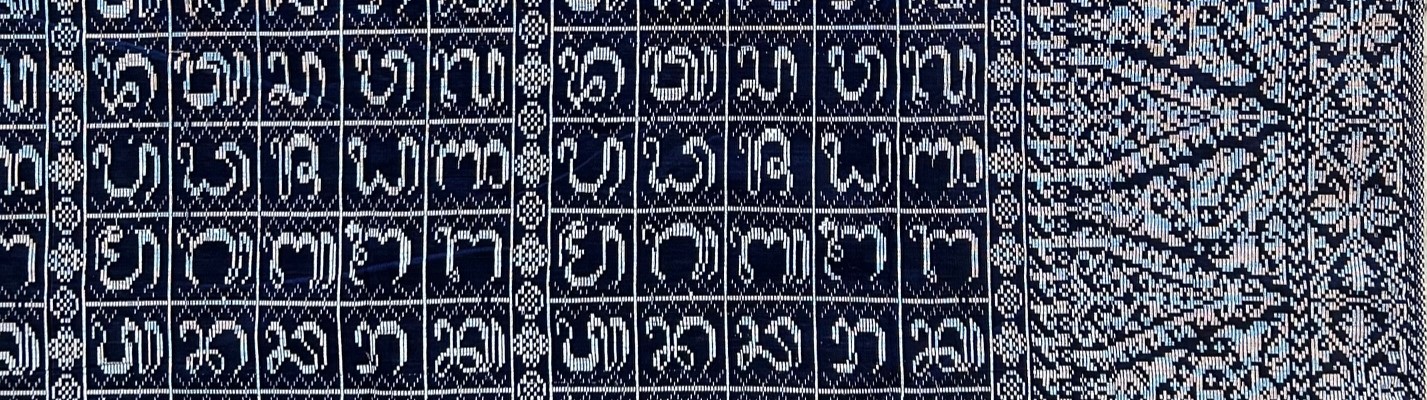

Author: Sian E. Jay, (Chief Editor), 2010. Contributors: Kahfiati Kahdar, Kim Jane Saunders, Koesoemaningsih, Koestriastuti, Ratna Panggabean, Soewati Kartiwa. 191pg. (English). Hardcover
Publisher: Cita Tenun Indonesia, Jakarta
This volume endeavors to honor and critically examine the profound textile heritage of Indonesia, offering a comprehensive introduction to the nation’s weaving traditions across both historical and contemporary contexts. By integrating the specialized insights of distinguished scholars with the cultivated perspectives of experienced collectors, the work aspires to enrich the expanding corpus of research on Indonesian textiles. Beyond its descriptive function, the book situates weaving as a dynamic cultural practice—one that embodies aesthetic innovation, social identity, and historical continuity—thereby underscoring its enduring significance within the broader discourse of Southeast Asian material culture.

Author: Yakomina Rumbiak, 2012. 18pg. (Indonesian)
Publisher: Dinas Kebudayaan dan Pariwisata, Prov. Papua
At the time this booklet was created, Tervo weavings were the only known textiles in Papua. Information regarding traditional textiles, particularly about Tervo, is quite limited. The Tervo samples included in the booklet are part of the collection at the Papua State Provincial Museum in Jayapura. This booklet was written by Yakomina Rumbiak, who was the Museum's Director at that time.
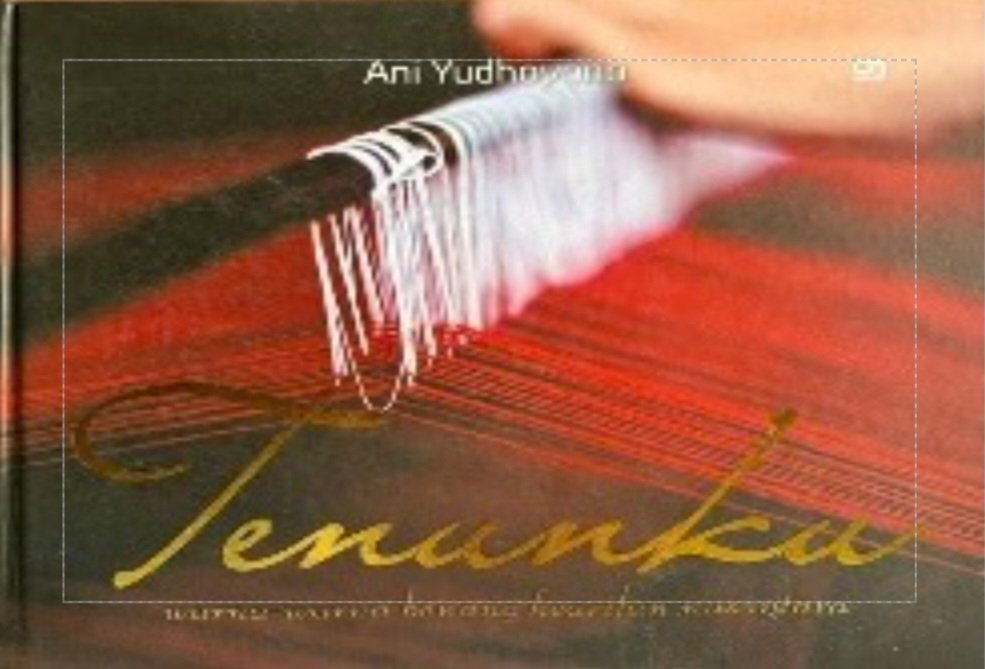
Author: Ani Yudhoyono, 2012. 712pgs. (Indonesian). Hardcover.
Publisher: Gramedia Pustaka Utama, Jakarta.
This monumental 712-page volume authored by the first lady Ani Yudhoyono constitutes both a photographic archive and a cultural compendium, celebrating the extraordinary richness of Indonesia’s traditional handwoven textiles (tenun). Functioning as a visual repository, it presents hundreds of striking, high-definition images that document the diversity of woven fabrics across the Indonesian archipelago — from Sumatra to Papua. The work foregrounds a profound philosophical sensibility: that a woven cloth is imbued with vitality. As Yudhoyono eloquently observes, “the beauty of a handwoven fabric does not lie in the threads alone: there is a heart and a soul that weaves it.” This perspective situates textiles not merely as material artifacts but as living embodiments of cultural spirit and communal identity. Beyond its visual splendor, the volume records indigenous wisdom, sustainable relationships with the natural environment, and artisanal techniques transmitted across generations within local weaving communities. In doing so, it honors the often-anonymous weavers whose labor sustains these traditions, positioning the book as both a reference work and an act of cultural preservation. Stylistically, the text leans toward a celebratory and aesthetic narrative rather than an exhaustive anthropological or technical analysis of weaving practices. It is best understood as a lavish coffee-table tome that foregrounds visual appreciation and cultural homage, while leaving space for future scholarly inquiry into the deeper ethnographic and technical dimensions of Indonesia’s textile heritage.

Author: Curatorial Team, 2009, 289pg. (Indonesian). Hardcover
Publisher: self
Nuny’s Nusantara Collection showcases the richness of Indonesian textile artistry. At its heart is her exquisite Songket Palembang collection, complemented by vibrant Jumputan (tie-dye) cloths from Palembang and distinctive batiks crafted in Cirebon for Palembang’s cultural audience. Her Nusantara weavings are equally noteworthy, while her Batik Collection stands out as truly exceptional. Together, these works form a beautiful coffee table book that celebrates heritage and craftsmanship.
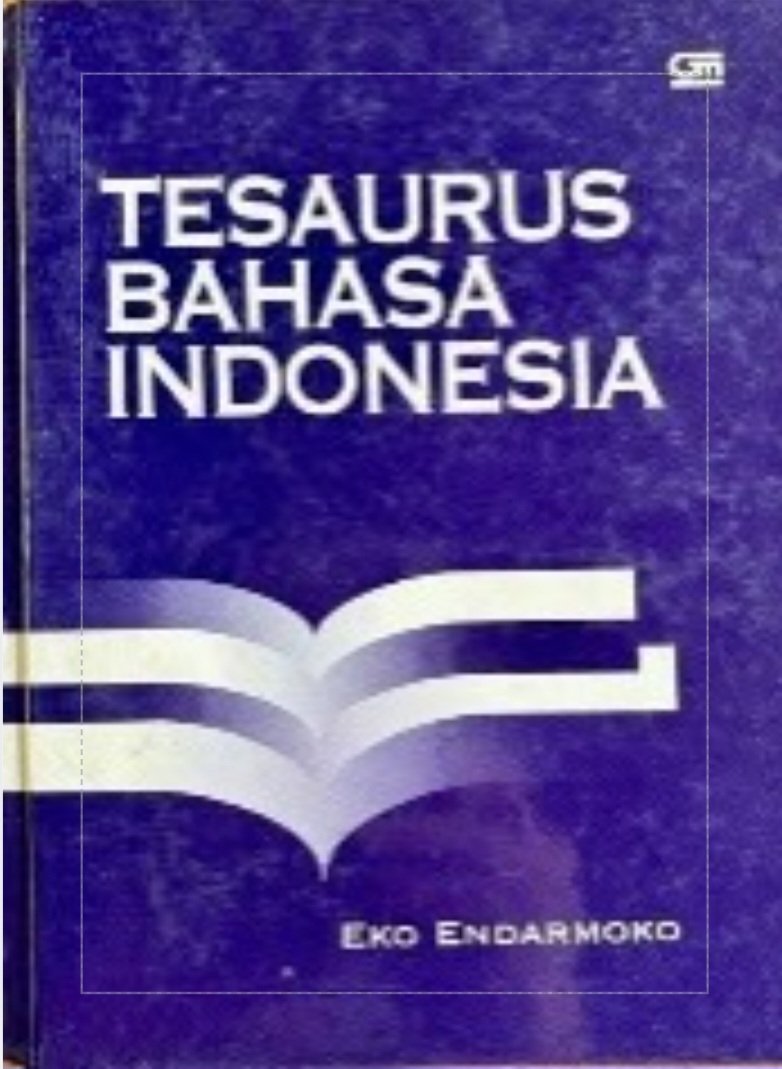
Author: Eko Endarmoko, 2007. 715pgs. (Indonesian). Hardcover
Publisher: Gramedia Pustaka Utama, Jakarta
Tesaurus Bahasa Indonesia is a monumental reference work published by Gramedia Pustaka Utama. It functions as an indispensable guide for writers, translators, and students in their pursuit of nuanced synonymy and precise lexical choice within the Indonesian language. Far surpassing the scope of conventional dictionaries, this thesaurus offers an extensive repertoire of words, phrases, and systematically categorized expressions. Its organizational structure is deliberately designed to facilitate navigation through subtle gradations of meaning rather than limiting users to mere definitional equivalence. Subsequent editions and revised printings have expanded the entries, refined the typographic layout, and introduced valuable antonym markers, thereby enhancing its scholarly utility. As such, Tesaurus Bahasa Indonesia stands as an essential masterwork for anyone committed to achieving linguistic sophistication or producing professional-level content in Indonesian.
Page 116 of 151