Author: Roy W. Hamilton (ed.), 2003, 552pgs. (English). Softcover
Publisher: UCLA Fowler Museum of Cultural History, Los Angelos.
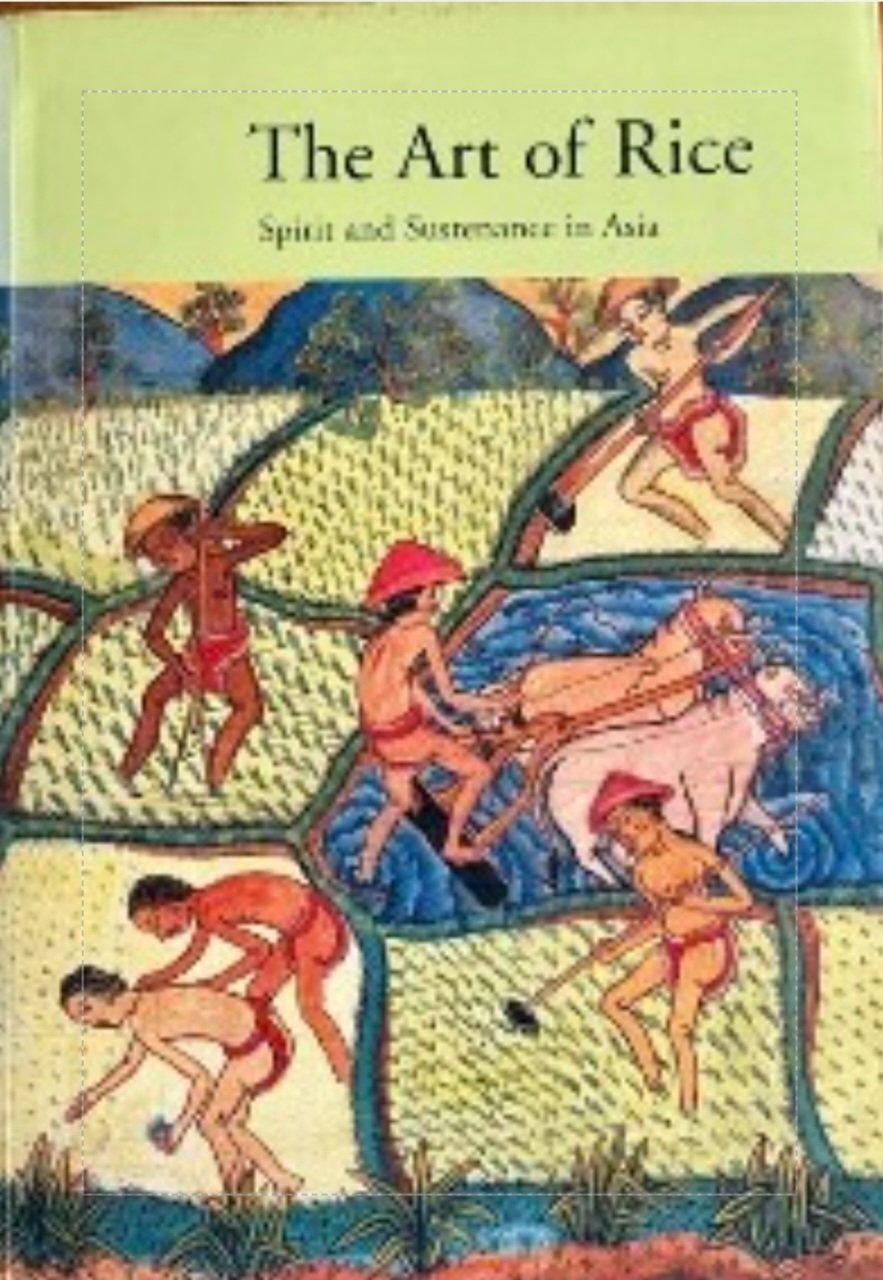
The edited volume under consideration, comprising thirty-two essays by twenty-seven international scholars, represents a significant intervention in the comparative study of rice as a cultural, ritual, and aesthetic phenomenon across Asia. More than a mere compendium of ethnographic detail, the work situates rice as a civilizational constant—an axis around which cosmology, ritual practice, and artistic expression are continually articulated. Methodologically, the editors employ a curatorial strategy that juxtaposes elite artistic media—paintings, sculpture, textiles, ceramics, lacquerware—with quotidian implements such as baskets, cooking utensils, rice-straw ornaments, puppets, and votive plaques. This deliberate pairing underscores the pervasiveness of rice as a structuring principle across social strata, illuminating its presence in both monumental art and humble material culture. The result is a richly textured dialogue between museum curation and anthropological scholarship, one that foregrounds rice as both symbol and sustenance. Geographically, the essays traverse a wide terrain, encompassing Thailand, Nepal, India, Indonesia, the Philippines, Vietnam, Japan, China, and Korea. Each contribution documents rice-related rituals and beliefs, ranging from birth celebrations and wedding ceremonies to agrarian rites venerating rice goddesses and ensuring fertility and abundance. The inclusion of striking field photography enriches the ethnographic texture, allowing readers to apprehend the lived vibrancy of these practices. The comparative orientation of the volume affords a rare opportunity to discern both convergences and divergences in how diverse Asian societies conceptualize and ritualize the grain that nourishes them. Wedding ceremonies, parades, festivals, and rites performed at each stage of the agricultural cycle are vividly described, offering insight into rice’s role as a medium through which cosmological order and social continuity are enacted. Yet the encyclopedic heft of the tome, coupled with its episodic structure, positions it closer to a reference work than a narrative monograph. While broad in scope, the brevity of country-specific essays necessarily limits the depth of analysis. This structural limitation, however, does not diminish the volume’s value; rather, it highlights its function as a comparative resource, inviting further scholarly inquiry into the intersections of ritual, art, and agrarian practice. In sum, this volume exemplifies the productive intersection of museum curation and anthropological scholarship, offering scholars and general readers alike a richly comparative lens on the cultural life of rice in Asia. Its contribution lies not only in documenting ritual and artistic practices but also in demonstrating the grain’s enduring role as a symbolic and material foundation of Asian societies.
Author: Rene van de Star, 2006, 240 pgs. (In English)
Publisher: SKIRA Editore, Milan
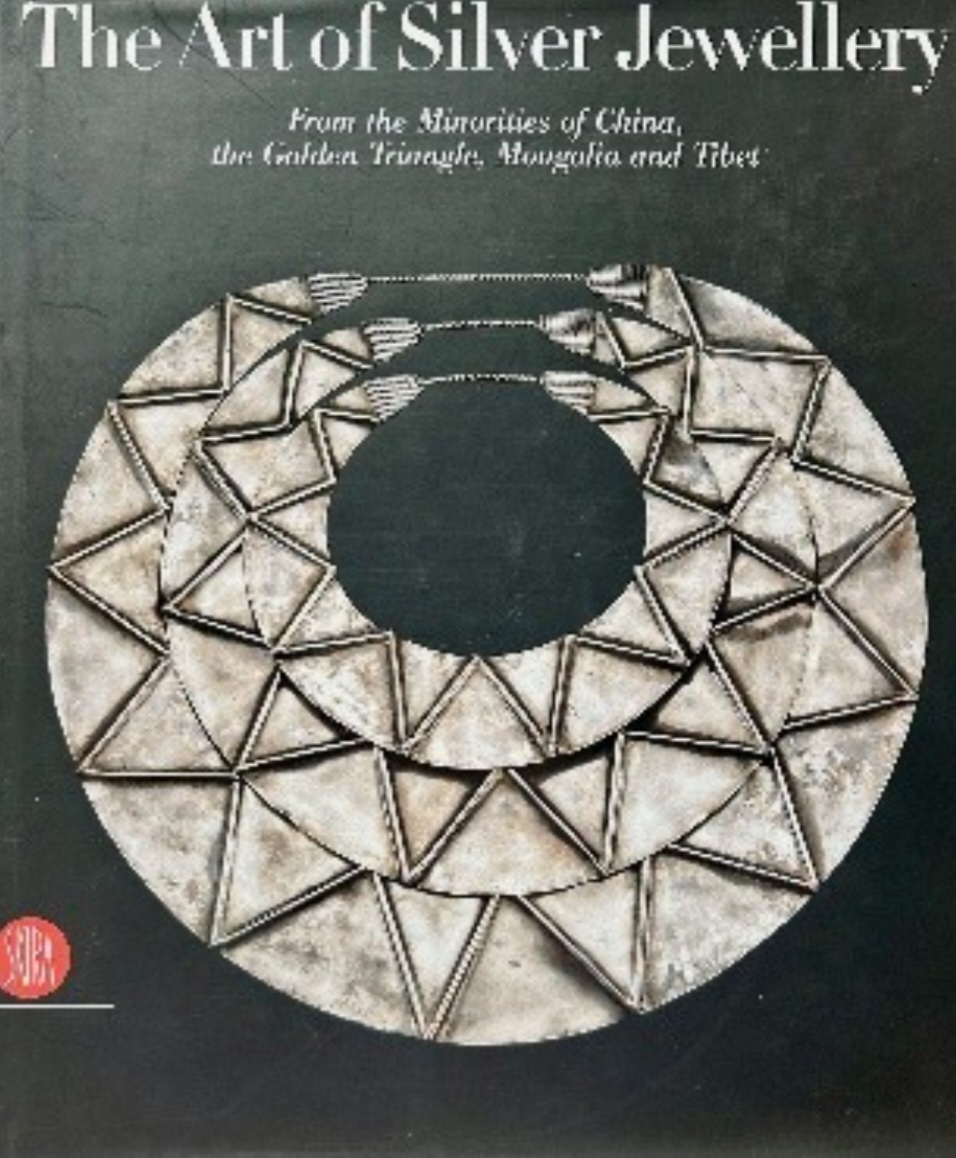
This volume presents a distinguished exploration of the jewelry traditions of China’s ethnic minorities, situating them within the broader cultural landscape of Inner Asia. From the nomadic ornaments of Mongolia and Tibet to the resplendent silver and gold necklaces, bracelets, rings, and earrings fashioned by minority artisans across China, the collection celebrates 260 objects dating from the late nineteenth to the early twentieth century. Together, these works exemplify both aesthetic refinement and cultural originality, offering an unparalleled reference for the study of minority jewelry in China. The book is enriched by four authoritative essays contributed by leading scholars, who illuminate the historical, social, economic, and political forces that shaped the production and circulation of these adornments. Their analyses render the field accessible to the general reader while providing indispensable insights for designers, jewelers, historians, collectors, dealers, and auctioneers. Beyond jewelry, the volume incorporates a curated selection of textiles and field ornaments, thereby contextualizing the adornments within the broader material culture of the communities that produced them. This integrated approach underscores the dynamic interplay between artistry and cultural identity, affirming the enduring significance of these objects as both material heritage and expressions of collective memory.
Author: Anthony Granucci, 2006. 212pgs. (English). Hardcover
Publisher: Editions Didier Millet, Singapore
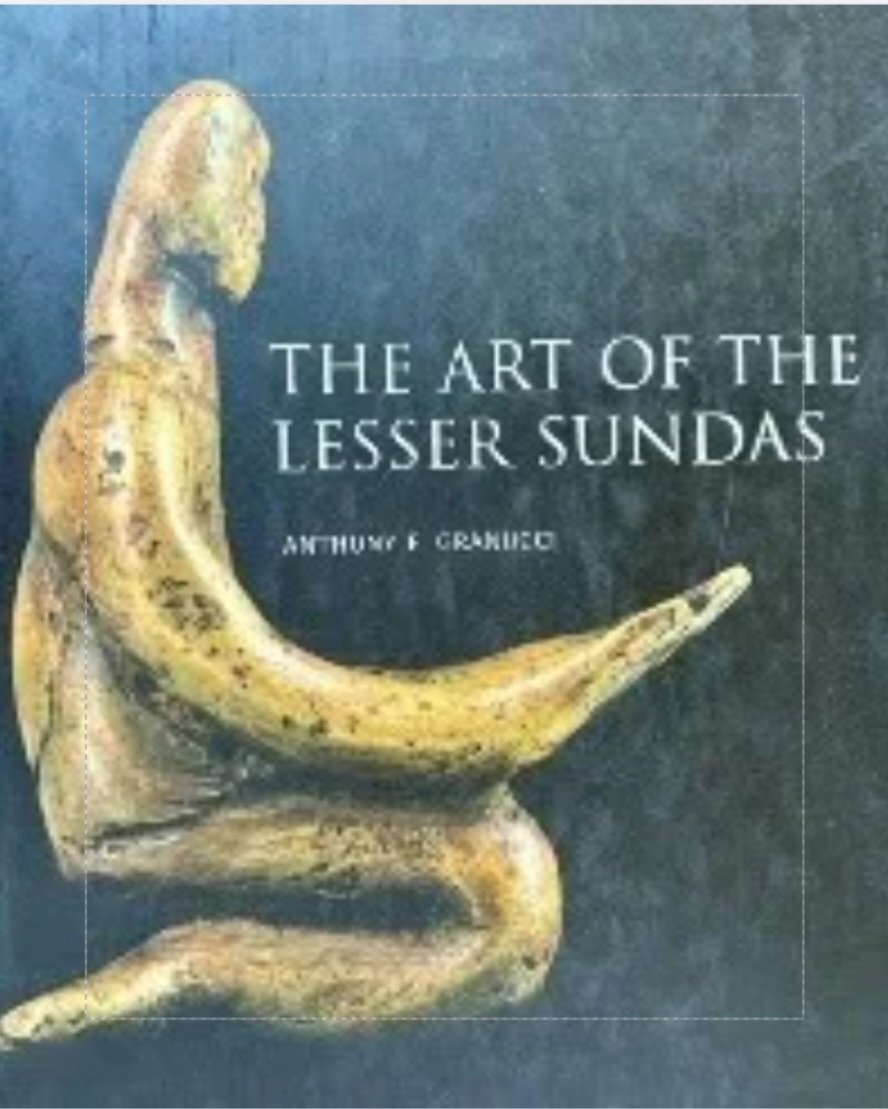
This volume constitutes a visually compelling reference that interrogates the under‑appreciated art historical and prehistoric traditions of the Lesser Sunda Islands in Indonesia. It presents between 140 and 150 full‑color artifacts accompanied by four cartographic plates, all drawn from the author’s private collection, and is supported by an extensive scholarly bibliography. The corpus encompasses personal ornaments, ritual paraphernalia, quotidian implements, amulets, armbands, bracelets, and earrings originating from diverse islands across Nusa Tenggara. Reviewers have emphasized that the work fills a notable lacuna in the literature, as few published volumes devote sustained attention to the tribal and traditional material culture of these specific Indonesian archipelagos. The photographic documentation and production quality of the volume—particularly its paper stock and printing—have been widely commended as finely executed. Some academic and enthusiast critics observe that the selection leans disproportionately toward smaller decorative objects, such as jewelry and amulets, rather than monumental “primitive” sculpture or weighty ritual statuary. Nevertheless, the book retains enduring value as a foundational reference for the study of Southeast Asian material culture. Its contribution lies in foregrounding the aesthetic and symbolic dimensions of Nusa Tenggara’s heritage, thereby enriching comparative discourse within Indonesian art history and ethnographic studies.
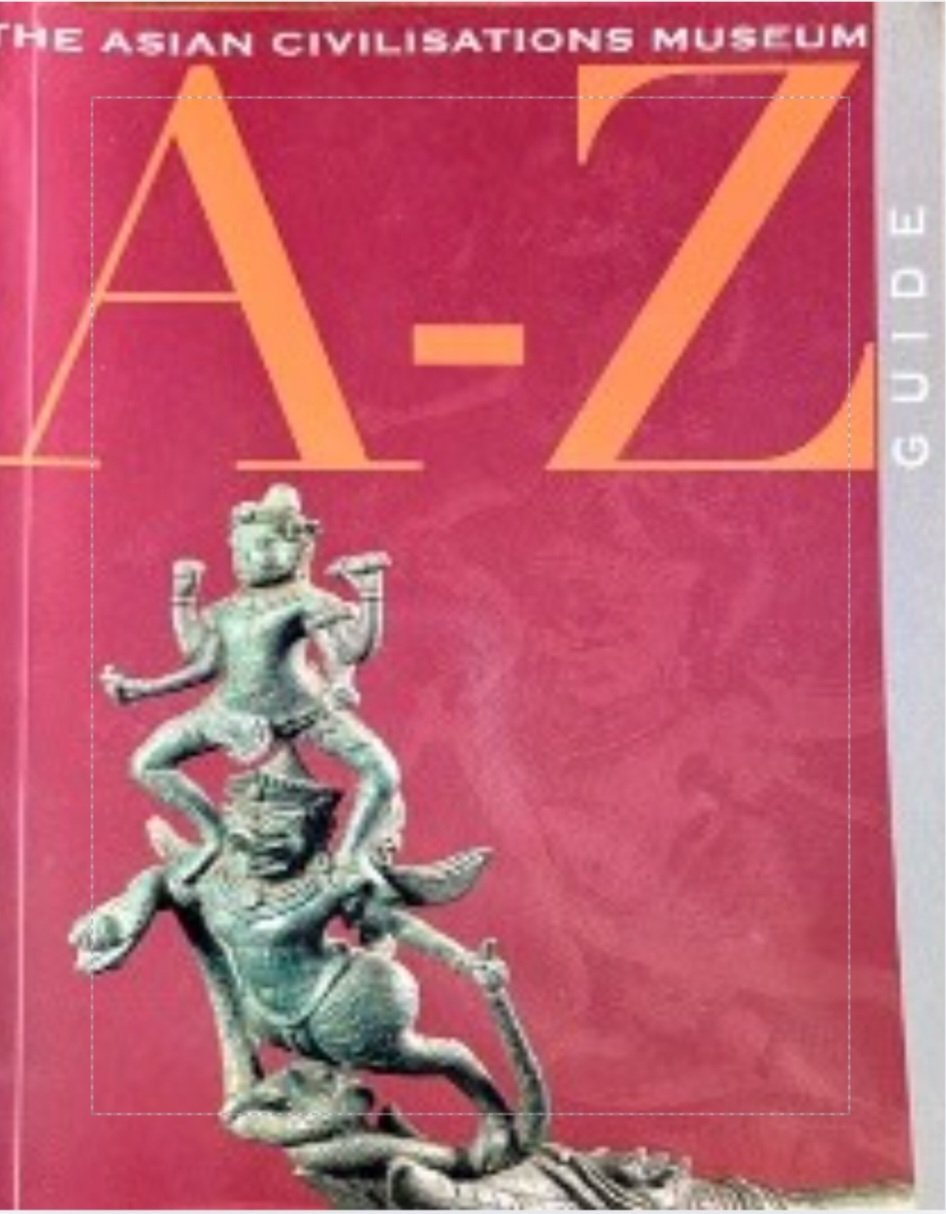
Author: Marylin Seow, Sharon Ham & Shan Wolody (eds), 2003. 432pgs. (English) Softcover
Publisher: Didier Millet Editions, Singapore
The Guide constitutes a comprehensive companion that distills five millennia of Asian history into an accessible yet encyclopedic format. Conceived as both a scholarly reference and a resource for museum enthusiasts, it provides deeper contextualization of the institution’s extensive holdings. The volume systematically indexes highlights of the museum’s permanent collections across major cross-cultural disciplines: Fine art and archaeology: Centuries of religious sculpture, painting, and archaeological excavation are documented, offering insight into Asia’s diverse artistic and spiritual traditions. Ethnography: Everyday objects, markers of cultural identity, and ancestral legacies of Asian communities are examined, foregrounding lived experience alongside material culture. Living traditions: Background on Southeast Asian performing arts, music, and ritual practices situates intangible heritage within broader historical trajectories. A–Z structure: The alphabetical format functions as a practical dictionary of Asian material culture, enabling readers to cross-reference terms, styles, and materials without reliance on chronological sequencing. Visual documentation: Clean, high-quality photography of primary artifacts—from trade ceramics to regional textiles—renders intricate craftsmanship accessible to readers beyond the museum space. Cross-cultural context: Rather than adhering to modern geopolitical boundaries, the guide emphasizes historical trade routes, maritime networks, and religious expansions that shaped Asia’s interconnected cultural landscape. Despite its strengths, the book’s utility is conditioned by its close alignment with the physical layout and holdings of the Asian Civilisations Museum. It thus functions most effectively as a companion volume rather than as a stand-alone textbook on Asian history. The evolution of curatorial style is also evident. First published in 2003, the guide reflects the museum’s legacy orientation, privileging geographic and ethnographic frameworks. While rich in historical data, subsequent publications—such as Museum Treasures and the Director’s Choice series—signal a shift toward thematic groupings, with greater emphasis on maritime trade and decorative arts. This trajectory underscores the institution’s dynamic interpretive strategies and responsiveness to contemporary museological discourse.
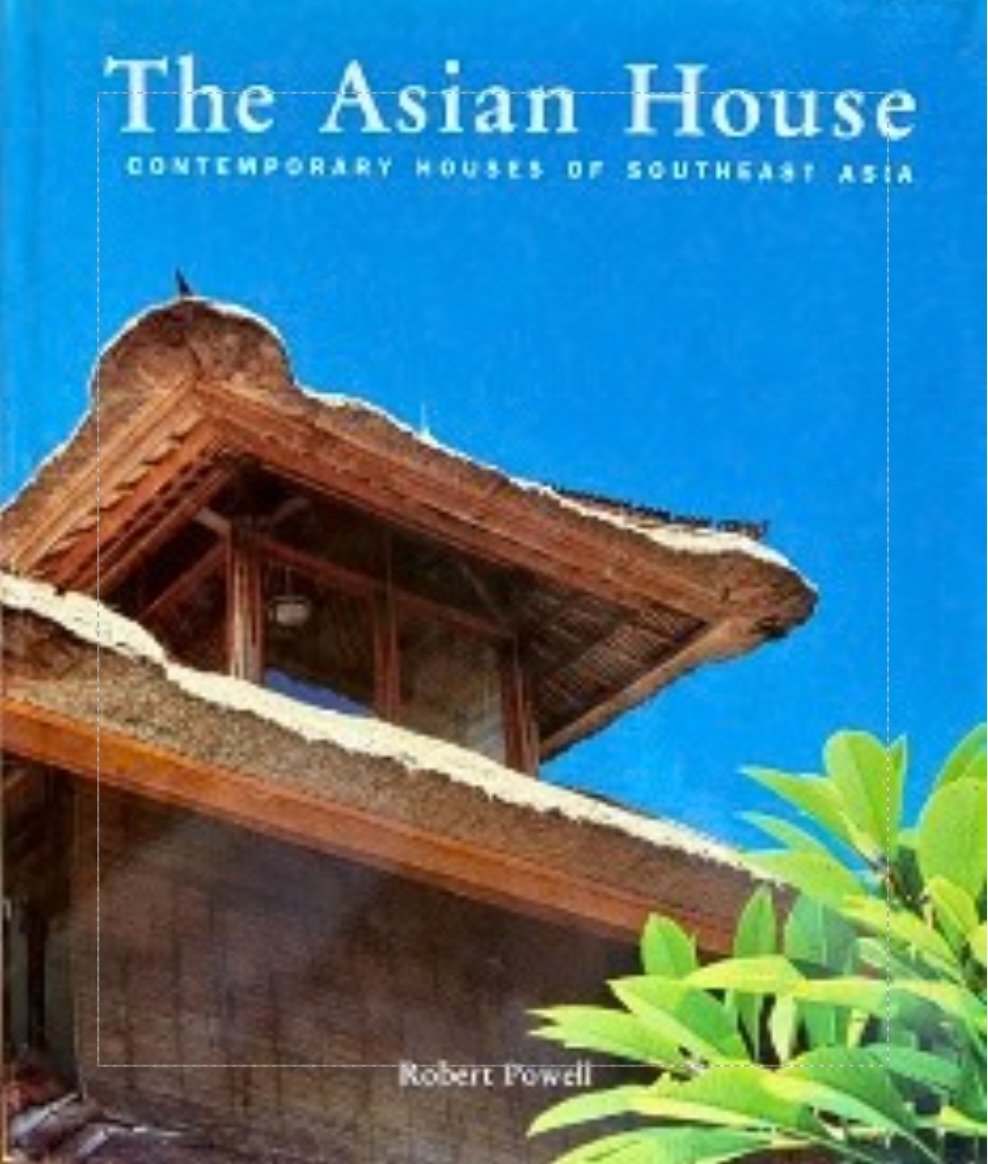
Author: Robert Powell, 1995. 176pgs. (English), Hardcover.
Publisher: Select Books, Singapore
This volume stands as a landmark in architectural discourse, examining how post‑colonial design practices negotiate the interplay between traditional regional idioms and modern Western technologies to produce sustainable, climate‑responsive tropical dwellings. It foregrounds the adaptive strategies by which domestic architecture responds to environmental exigencies—heat, humidity, and monsoonal rains—through spatial devices such as open layouts, internal courtyards, and pronounced roof overhangs. Equally significant is its documentation of the synthesis between vernacular traditions and contemporary architectural imperatives. The text highlights the deployment of indigenous materials—timber, stone, and bamboo—not merely as pragmatic resources but as culturally resonant elements that anchor modern structures within local ecological and symbolic frameworks. Beyond its visual richness—photography, floor plans, and elevation drawings—the book interrogates the social and religious strata that inform the shaping of modern living spaces. In doing so, it situates architecture as both a technical and cultural practice, embedded within broader cosmological and communal orders. Published in the 1990s, the volume captures a pivotal moment in regional design history, prior to the intensification of hyper‑urbanization that subsequently reconfigured residential priorities. As such, it constitutes not only an architectural record but also a cultural artifact, preserving the ethos of a transitional era in tropical modernism.
Page 122 of 151