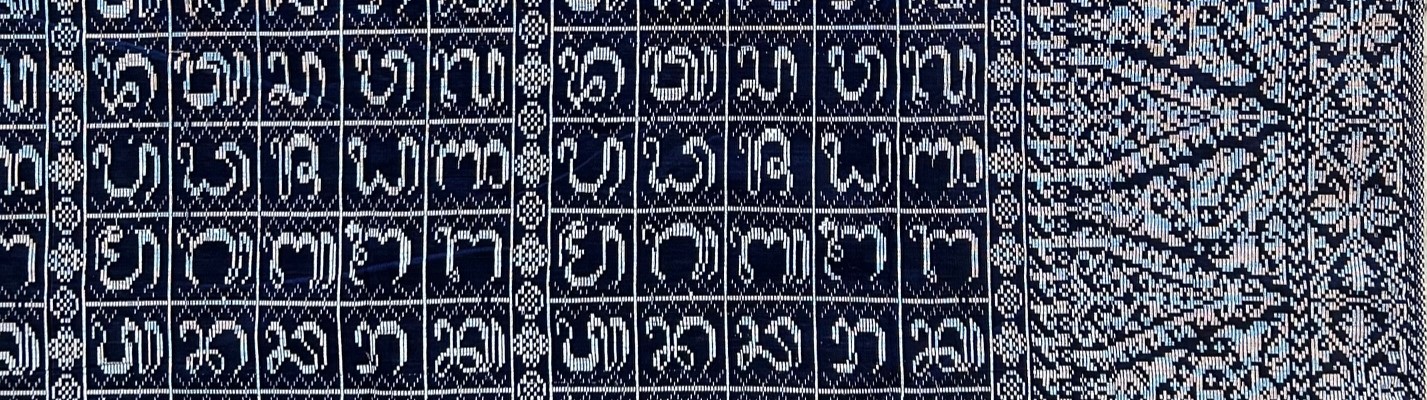

Author: Rens Heringa, 1994, 48pg. (Dutch language). Booklet
Publisher: Museon, Den Haag, Netherlands
This booklet presents nineteen examples of woven textiles and hand-drawn batiks, accompanied by detailed explanations of their motifs, chromatic symbolism, and cultural applications. The Tuban collection housed in the Museon comprises more than one hundred artifacts, systematically assembled between 1979 and 1990 by Rens Heringa, a Dutch anthropologist whose work has significantly contributed to the documentation and preservation of Indonesian textile traditions.

Author: Mattiebelle Gittinger, 1979. 240pg. (English). Softcover.
Publisher: The Textile Museum, Washington DC. USA
This volume seeks to examine the multifaceted role of textiles within the social customs and religious practices of Indonesia, while simultaneously serving as a comprehensive catalogue for an exhibition dedicated to Indonesian textile traditions. It addresses the function of cloth as both a gift and a marker of prestige, situating textiles within ceremonial and ritual contexts. Embedded within their intricate designs are symbolic messages, and textiles further assume significance as elements of costume. In addition, the book highlights the diverse geographic regions of Java, Sumatra, Kalimantan, Sulawesi, the Lesser Sunda Islands/East Nusa Tenggara, and the Moluccas, thereby underscoring the breadth of Indonesia’s textile heritage.
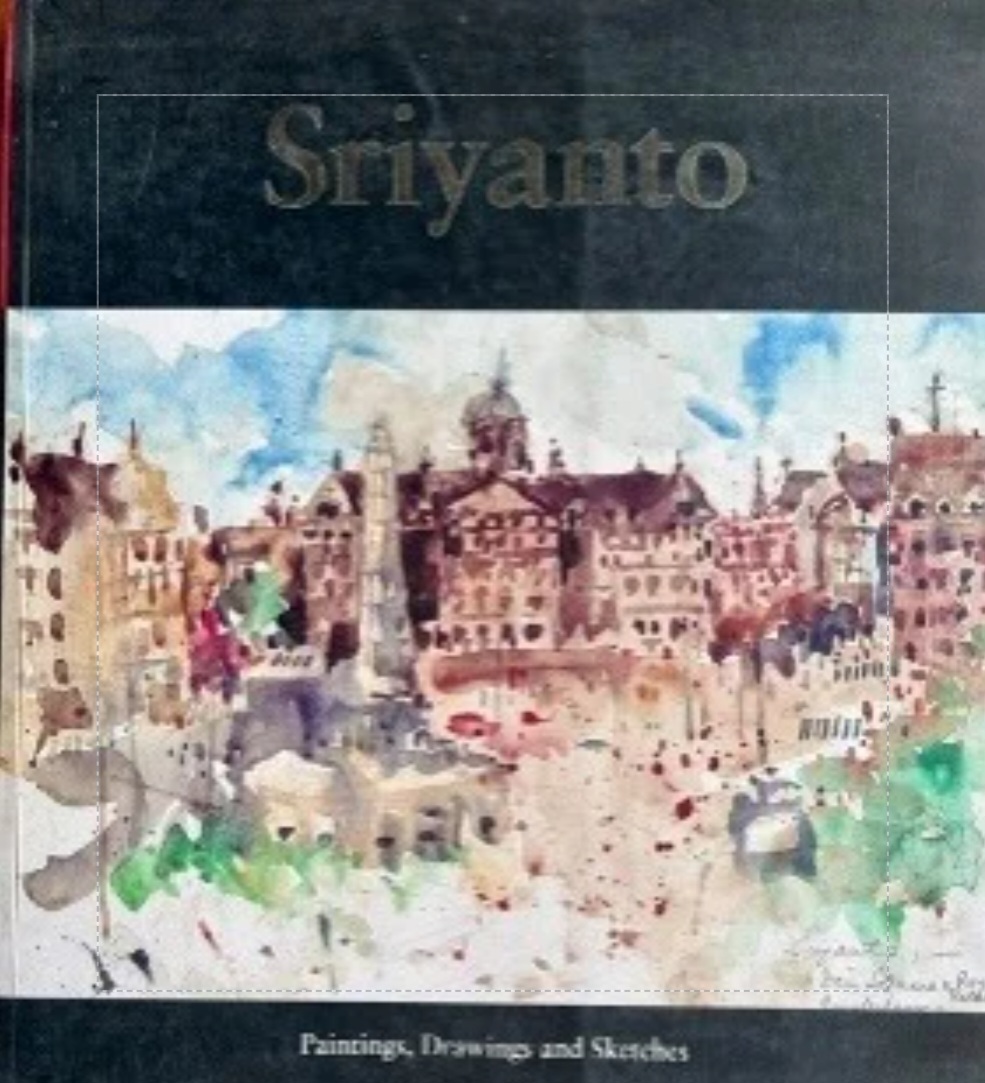
Author: Sriyanto, 2000. 211pgs. (English). Softcover. Catalog
Publisher: Galery Sriyanto, Pondok Indah, Jakarta.
This coffee-table book features paintings, Drawings and sketches of the painter Sriyanto.
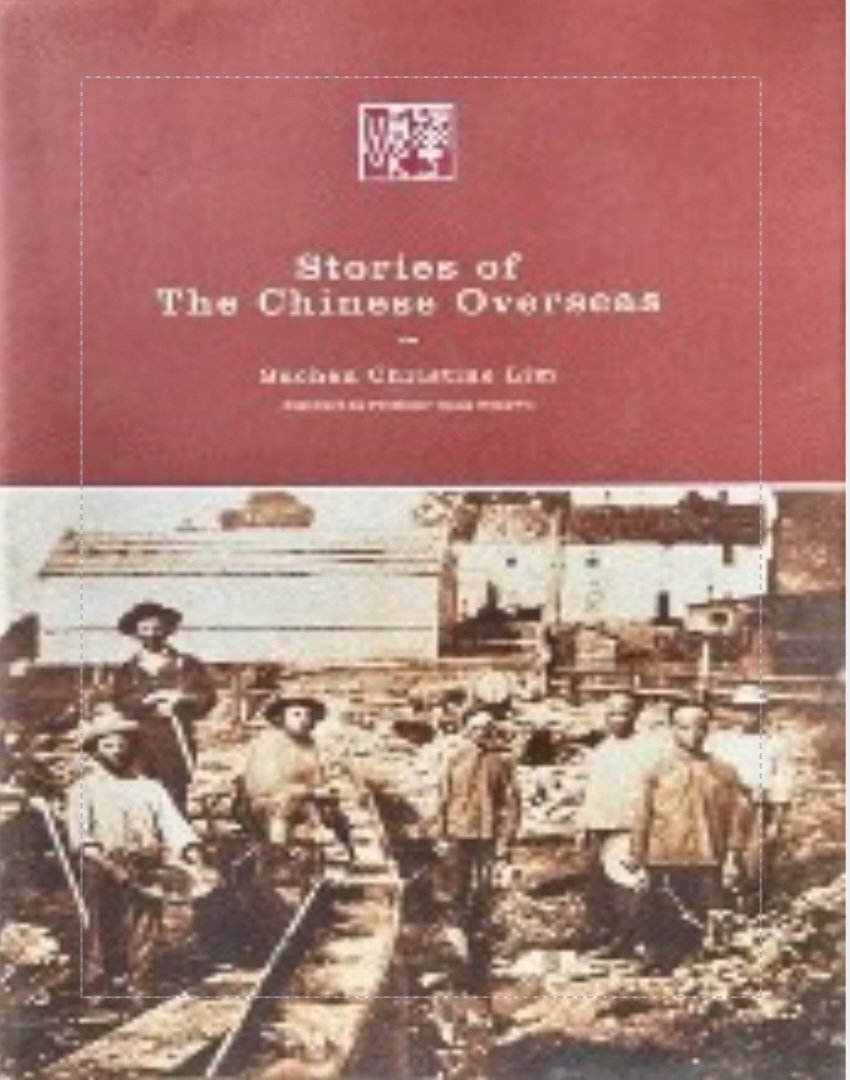
Author: Suchen Chirstine Lim, 2005. 263pgs. (English). Softcover
Publisher: SNP International Publishing & Hua Song Museum, Singapore
Diaspora narratives are not merely chronicles of movement across borders; they are cultural archives of longing, resilience, and transformation. To read a diaspora text is to enter a layered ethnographic field where photographs, artifacts, and testimonies become more than historical evidence—they emerge as cultural signifiers of identity, memory, and survival. Such works situate migration within the lived textures of everyday life: the tactile feel of woven garments carried across oceans, the monochrome gaze of studio portraits sent home, the oral recollections of hardship and enterprise preserved across generations. They remind us that diaspora is not solely a demographic phenomenon but a social and cultural process, shaped by dislocation, adaptation, and the forging of new communal bonds in unfamiliar landscapes. Ethnographically, diaspora texts function as memory work. They curate fragments of the past—photographs, letters, ceremonial objects—into narratives that resist erasure and affirm continuity. In doing so, they highlight the agency of migrants who, despite war, poverty, and pestilence, carried with them cultural repertoires that became the scaffolding for diasporic identities abroad. By blending bilingual text, visual archives, and personal accounts, such volumes operate as commemorative spaces akin to museum exhibitions. They invite readers not only to absorb historical data but to feel the visceral realities of migration—the ruptures of departure, the precarities of settlement, and the enduring hope for belonging.
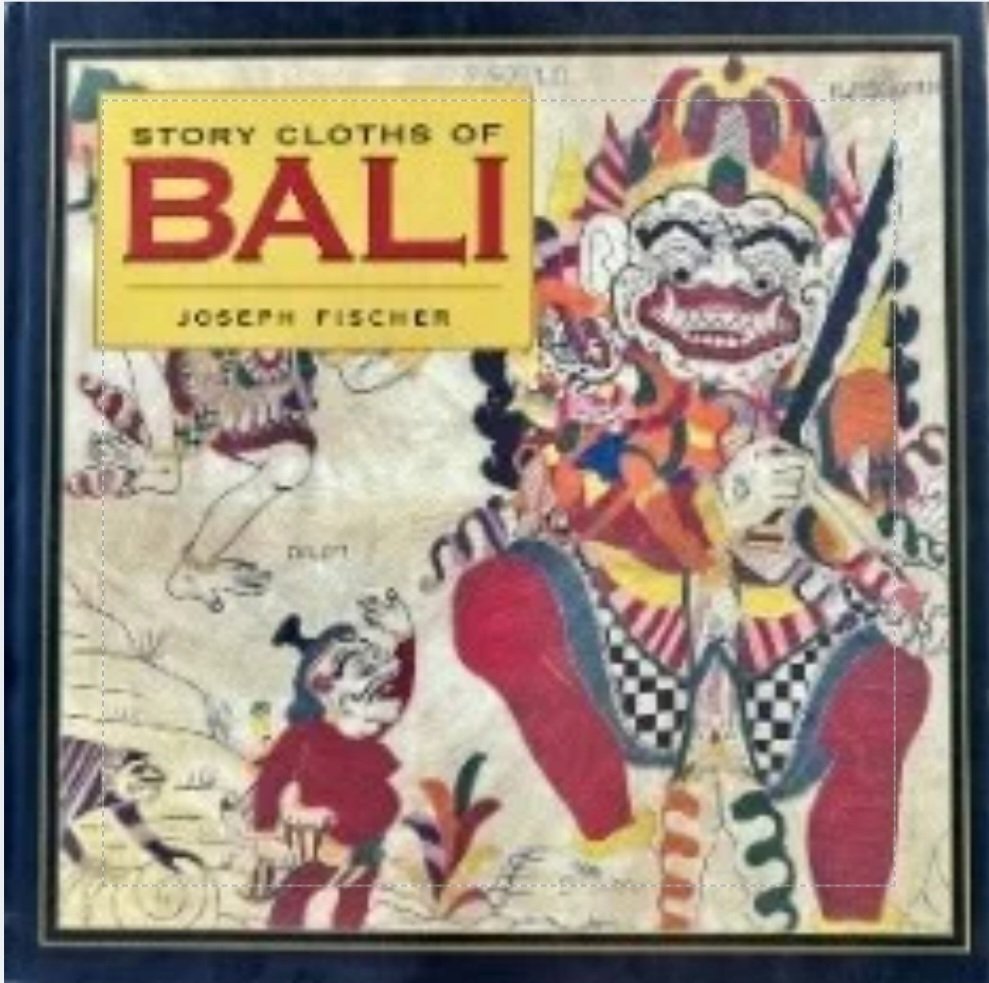
Author: Joseph Fisher, 2004, 144pgs. (English), Hardcover
Publisher: Ten Speed Press, Berkeley, California, USA
This volume constitutes a pioneering visual and cultural investigation into the intricate tradition of Balinese embroidery textiles. Presenting over one hundred exemplary pieces drawn from the author’s private collection, the work illuminates how these decorative cloths function as narrative media, depicting ancient folk epics, moral allegories, and spiritual cosmologies. The publication is distinguished by its full-color photographic documentation of rare pictorial embroideries employed in temples and domestic shrines. Beyond their aesthetic appeal, the embroideries are analytically connected to Balinese Hindu epics, village lifeways, and ritual offerings, thereby situating stitchwork within broader systems of cultural meaning. The author provides a systematic breakdown of embroidery techniques, stratified craft skill levels, and a glossary of vernacular terminology, thereby offering methodological precision and ethnographic depth. The highly specialized content renders the book particularly valuable to textile collectors, historians, and art scholars, while less accessible to casual readers. Its scope remains centered on Fischer’s private holdings rather than constituting a comprehensive regional survey, yet this curatorial focus underscores the significance of individual collections in preserving and interpreting Balinese textile heritage.
Page 110 of 151