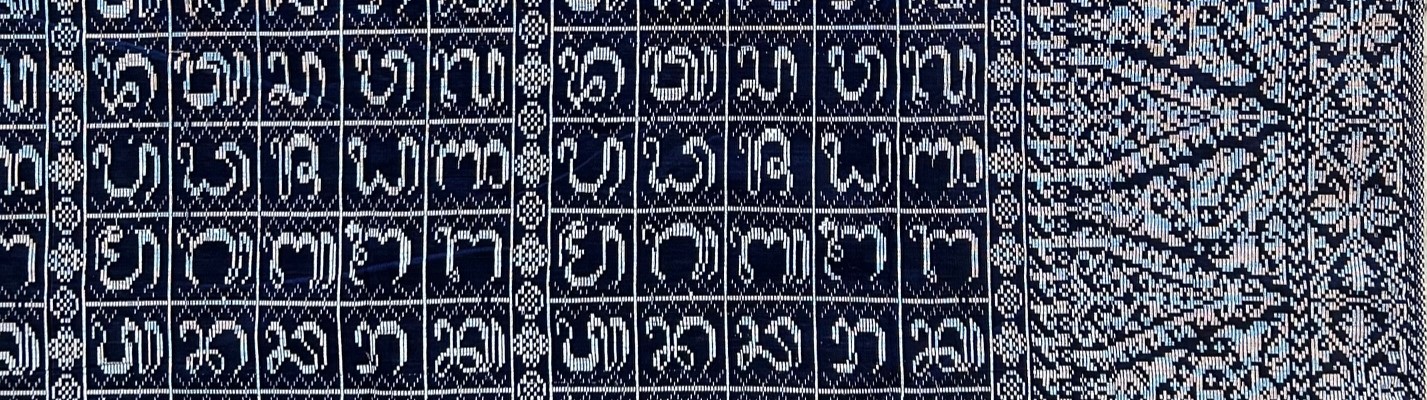

Author: Don Hasman & Filomena Reiss, 2014. 111 pg. (English)
Publisher: Indonesian Heritage Society, Jakarta
The book is divided into two parts. The first part, narrated by Don Hasman, an ethno-photographer and journalist, focuses on the Kanekes people and their culture. The second part, titled "Black and White," is presented by Philomena Reiss and explores the traditional textiles of the Kanekes or Baduy, people. This informative and engaging book is particularly noteworthy, as few individuals are permitted to enter and conduct research in the Inner-Baduy territory, where the residents continue to maintain their traditional lifestyle.
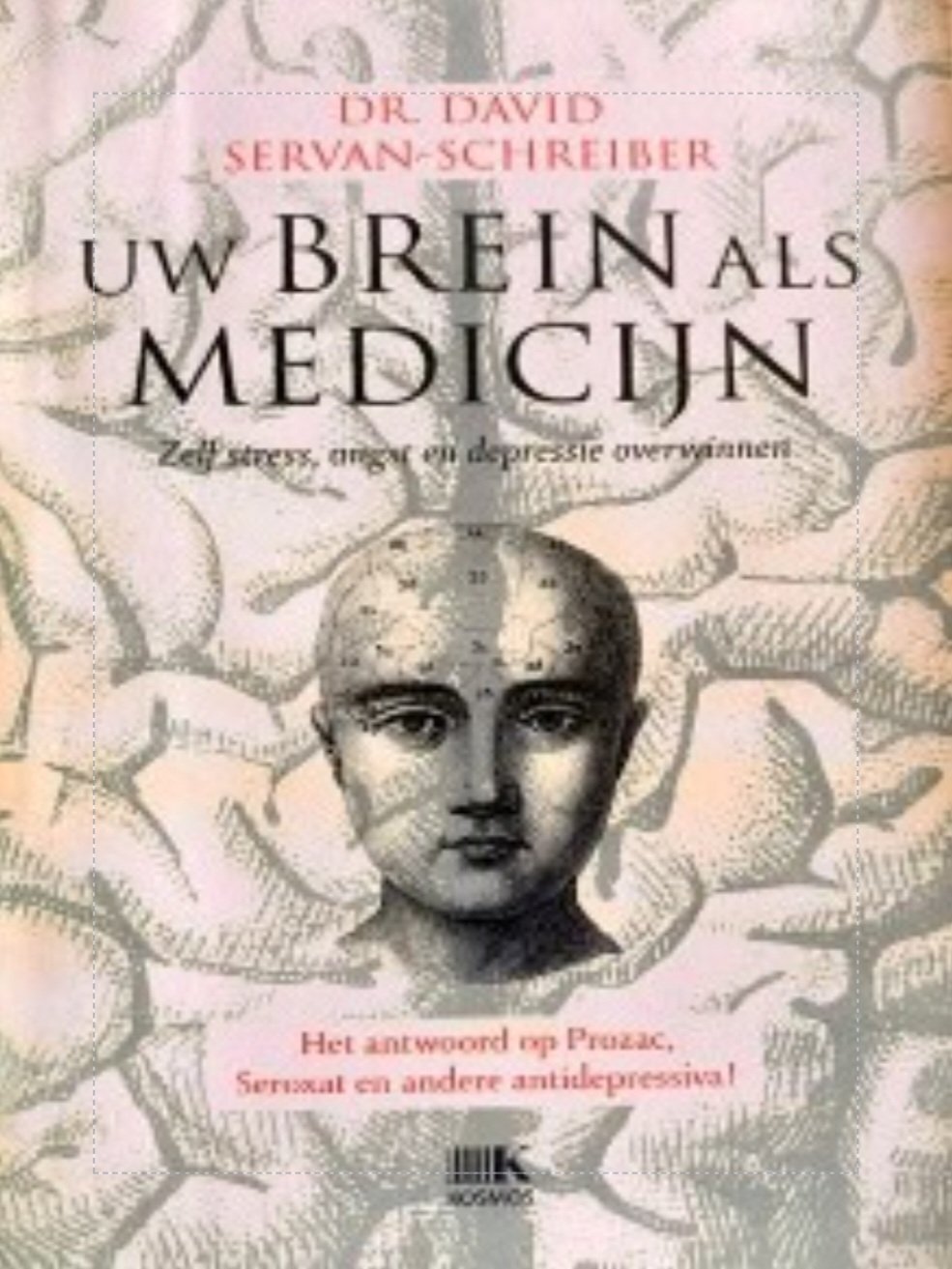
Author: Dr. David Servan-Schreiber, 2011. 286pgs (Dutch). Softcover
Publisher: Kosmos Uitgevers, Utrecht, the Netherlands
This volume, once regarded as a foundational text in neurological science, now reveals its limitations when assessed against the profound advances of the discipline in 2026. Its conceptual framework remains tethered to reductionist models of synaptic transmission and memory encoding, privileging chemical synapse plasticity as the primary explanatory mechanism. While historically significant, such a narrow lens fails to accommodate the multidimensional insights afforded by contemporary research in brain–computer interfaces, neural transcriptomics, and computational modeling. The book’s neglect of recent breakthroughs underscores its obsolescence: Multimodal BCI decoding now enables simultaneous interpretation of speech and gesture, revolutionizing communication for patients with paralysis—an innovation absent from the text’s limited motor cortex discussion. Tau pathology research has refined our understanding of age-related memory decline, moving beyond the book’s generalized treatment of neurodegeneration. Transcriptomic atlases have illuminated sensory system development, challenging the book’s superficial coverage of auditory and olfactory processes. Electrical synapse complexity has overturned the simplistic dichotomy of chemical versus electrical transmission that the book perpetuates. The book retains value as a historical artifact, documenting the trajectory of neuroscience’s conceptual evolution. However, its pedagogical utility is compromised: reliance on its framework risks misinforming students and clinicians by omitting epigenetic, transcriptomic, and computational perspectives now central to the discipline. In clinical contexts, such omissions could hinder therapeutic innovation and ethical practice. This review positions the book as a cultural and intellectual milestone rather than a contemporary reference. While it offers insight into the intellectual climate of earlier decades, it must be supplemented—indeed superseded—by the robust corpus of neurological science in 2026. For serious engagement with the field, integration of current research is indispensable.
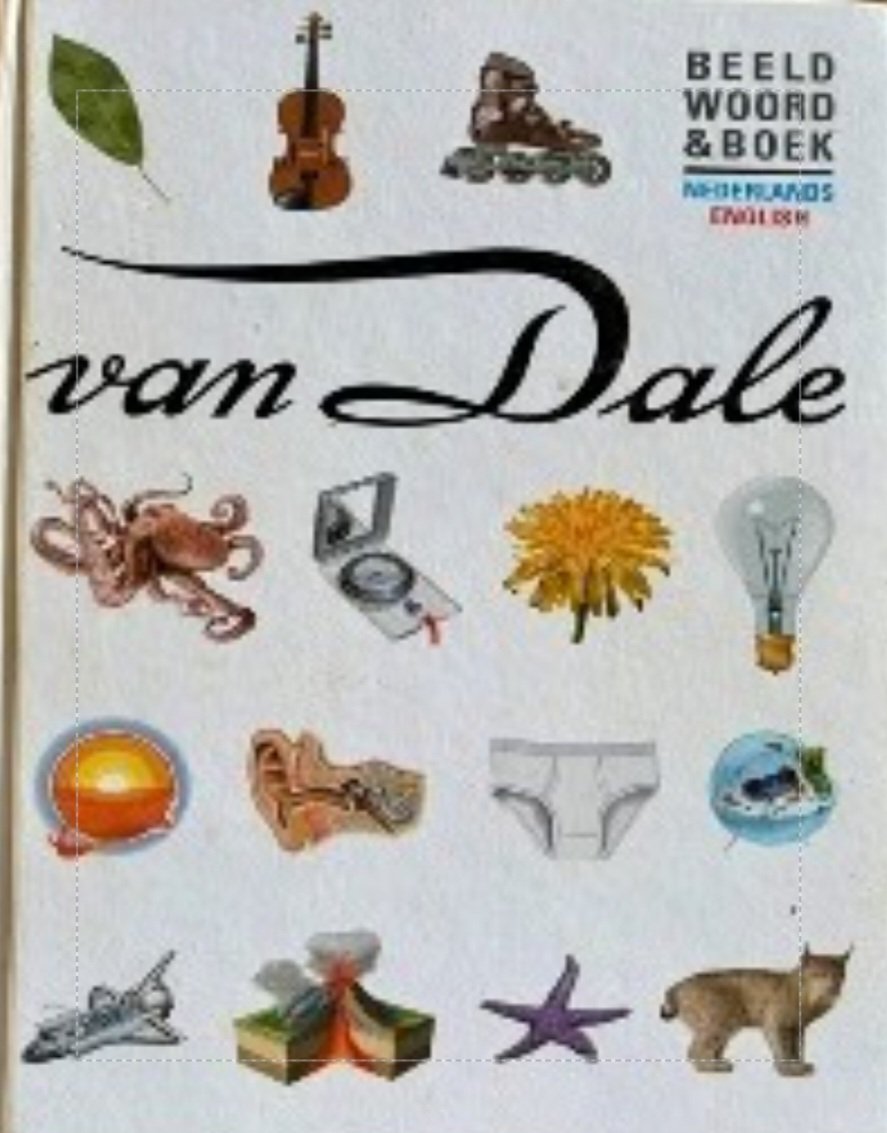
Author: Jean-Claude Corbeil & Ariane Archambault, 2005. 368pgs. (Dutch & English). Hardcover
Publisher: van Dale Lexiecographie bv. Utrecht, the Netherlands
This volume represents an exceptionally practical and immersive linguistic instrument, designed to bridge the lexical gap for learners who struggle with conventional, text-heavy dictionaries. Published by Van Dale—widely regarded as the gold standard of Dutch lexicography—the work transforms vocabulary acquisition into an intuitive, visually mediated experience. In contrast to traditional dictionaries that rely on abstract, written definitions, this compendium employs thousands of meticulously detailed illustrations and photographs to anchor terms directly to their corresponding real-world referents. For each depicted item, the dictionary provides the precise Dutch lexical form, complete with its grammatical article (de or het), alongside the exact English equivalent. The contents are systematically organized into thirteen overarching thematic domains, encompassing quotidian essentials such as: Domestic architecture and appliances Food, drink, and restaurant terminology Human anatomy, health, and medical scenarios Workplace tools and technical industries Flora, fauna, and the natural environment Functioning as a vital companion to structured language courses, the dictionary does not supplant textbooks in teaching syntactic construction or sentence formation. Nevertheless, it constitutes one of the most efficient and engaging methods for rapidly building a vast, highly specialized vocabulary base. Its pedagogical value is particularly pronounced for visual learners, expatriates residing in the Netherlands, and language students across proficiency levels.
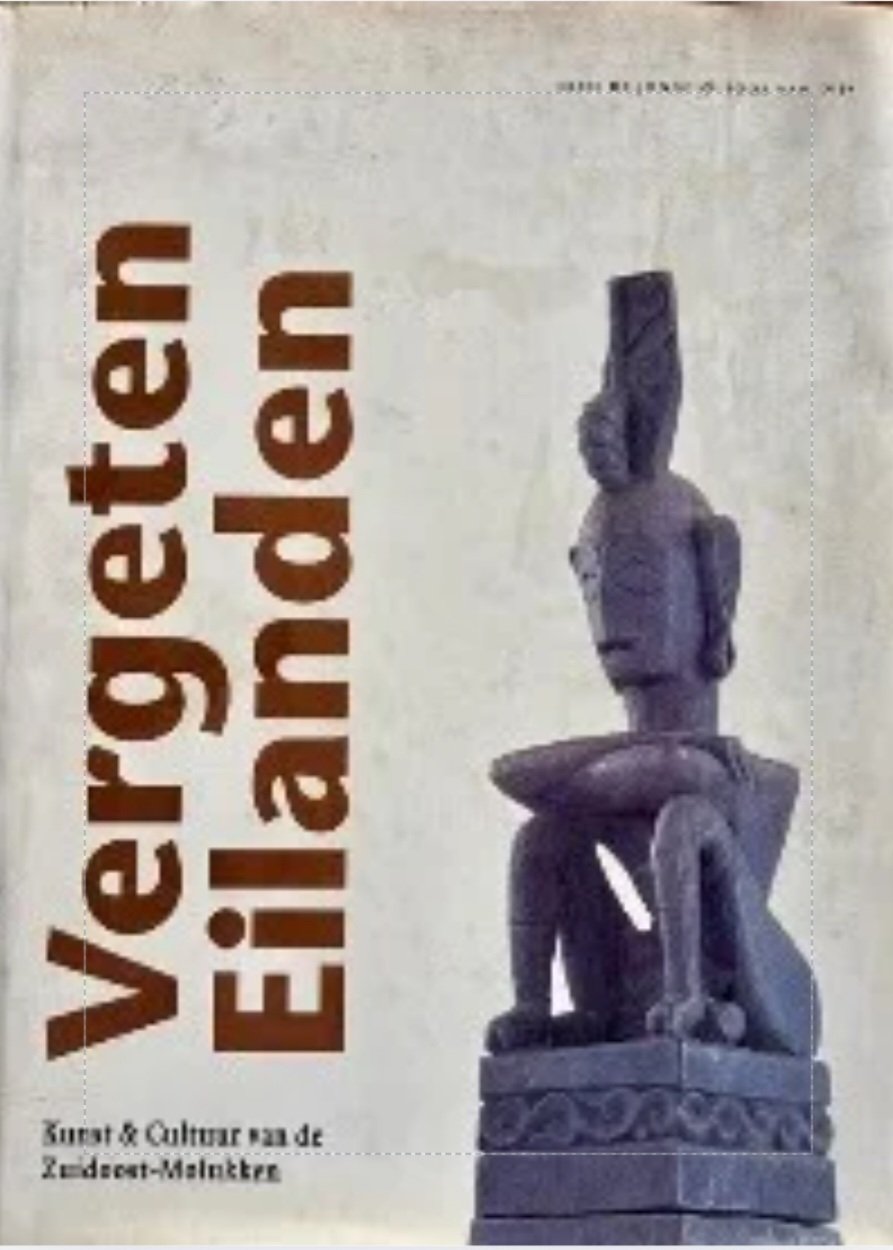
Author: Nico de Jonge & Toos van Dijk, 1995. 160pgs. (Dutch). Hardcover.
Publisher: Periplus Editiions, & C. Zwartekot, Amsterdam
This landmark volume emerges as both a visual archive and an anthropological testament, rescuing a remote Indonesian cultural sphere from historical obscurity. Through the presentation of more than 170 rare photographs and an array of tribal masterpieces—ritual artifacts, ceremonial regalia, and sacred objects—the work restores visibility to traditions long marginalized in mainstream Western discourse. The text foregrounds the artistry of Austronesian craftsmanship across multiple media: carved wood and stone, woven textiles, precious metals, earthenware, and finely plaited work. Each artifact is not merely a material object but a vessel of cultural memory, embodying ancestral knowledge, cosmological symbolism, and the social identities of the communities that produced them. Equally significant is the book’s engagement with colonial legacies. It documents the isolating impact of Dutch rule and the displacement of sacred ancestral statues into foreign collections, thereby underscoring the vulnerability of indigenous heritage to external appropriation. In doing so, the authors highlight the tension between preservation and dispossession, situating these objects within broader debates on cultural patrimony and restitution. By focusing intently on the Southeast Moluccas, the volume achieves remarkable ethnographic depth, though readers seeking a pan-Maluku overview may perceive the regional lens as narrow. Stylistically, the work privileges anthropological documentation over narrative dynamism, offering a meticulous record rather than a fast-paced account. Yet this very rigor enhances its scholarly value, positioning the book as a resource for collectors, historians, and art enthusiasts alike. Ultimately, the volume succeeds in restoring dignity and visibility to an overlooked Austronesian heritage. It affirms the enduring significance of these artifacts not as exotic curiosities but as cultural embodiments of identity, continuity, and resilience. In doing so, it contributes to the broader discourse on Southeast Asian material culture, colonial modernity, and the preservation of intangible heritage.
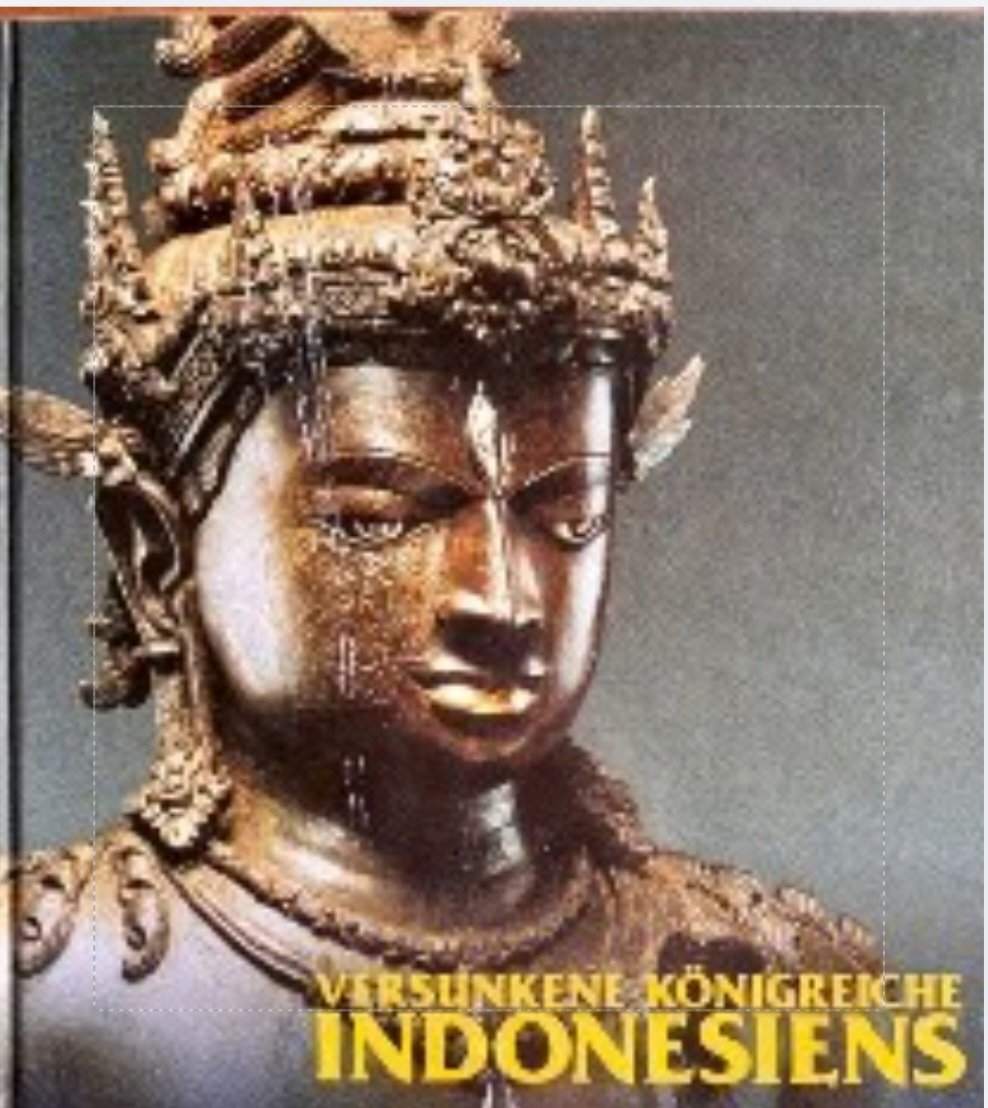
Author: global team of reknowned authors and contributors, 1995. 688pgs. (German). Hardcover.
Publisher: Verlag Philipp von Zabern, Mainz, Germany
The volume was published in conjunction with the exhibition of the same title, held from 13 August to 26 September 1995 at Museum Roemer- und Pelizaeus, Hildesheim, Germany. The exhibition drew upon significant institutional and private collections, including Museum Trowulan, Museum Bali, the Institute for the Preservation of Ancient Artifacts-Jakarta, the National Museum Jakarta, Museum Sonobudoyo Yogyakarta, the Rijksmuseum voor Volkenkunde in Leiden, the Staatliches Museum für Völkerkunde in Munich, and the Staatsbibliotheek Berlin. The title gestures toward the “lost,” “forgotten,” or “submerged” Hindu-Buddhist and maritime kingdoms of the Indonesian archipelago, notably Sriwijaya and Majapahit, and recalls the influential 1995 archaeological catalog by Arne and Eva Egebrecht. These polities embody the formative civilizational strata of Southeast Asia. Sriwijaya, a 7th–12th century Buddhist maritime empire centered in Sumatra, commanded vital trade routes and functioned as a hub of monastic learning. Mataram Kuno (8th–11th century), based in Central Java, is distinguished by its monumental architecture, including Borobudur and Prambanan, which materialize the syncretic interplay of Buddhist and Hindu cosmologies. Majapahit (13th–16th century), a vast Hindu-Javanese empire, extended its dominion across much of present-day Indonesia and Southeast Asia, consolidating political authority through ritual and cultural integration. Earlier still, Tarumanegara (4th–7th century) in West Java inscribed its presence through foundational stone records, marking one of the earliest literate states in the archipelago. Archaeological and maritime evidence further illuminates submerged dimensions of this heritage: the 10th-century Belitung shipwreck, laden with Tang dynasty ceramics, attests to the intensity of transregional exchange, while divers have identified submerged ruins and temple-like structures along Indonesia’s coasts, likely the result of shifting sea levels and tectonic activity. Crucially, these kingdoms exemplify a profound religious synthesis. Indic traditions—Hinduism and Buddhism—were not merely transplanted but dynamically reconfigured through dialogue with indigenous animist cosmologies. The monumental complexes of Borobudur and Prambanan embody this synthesis: Borobudur’s mandala-like structure articulates Mahayana Buddhist cosmology, while Prambanan’s towering spires exalt Hindu deities, yet both are embedded within Javanese ritual landscapes that honor ancestral spirits and local deities. This syncretism produced a distinctive spiritual ecology in which kingship was sacralized as cosmological stewardship, and ritual practice mediated between the divine, the ancestral, and the terrestrial. The enduring resonance of this synthesis continues to inform Indonesian cultural identity, shaping ritual, art, and social hierarchy into the present.
Page 144 of 151