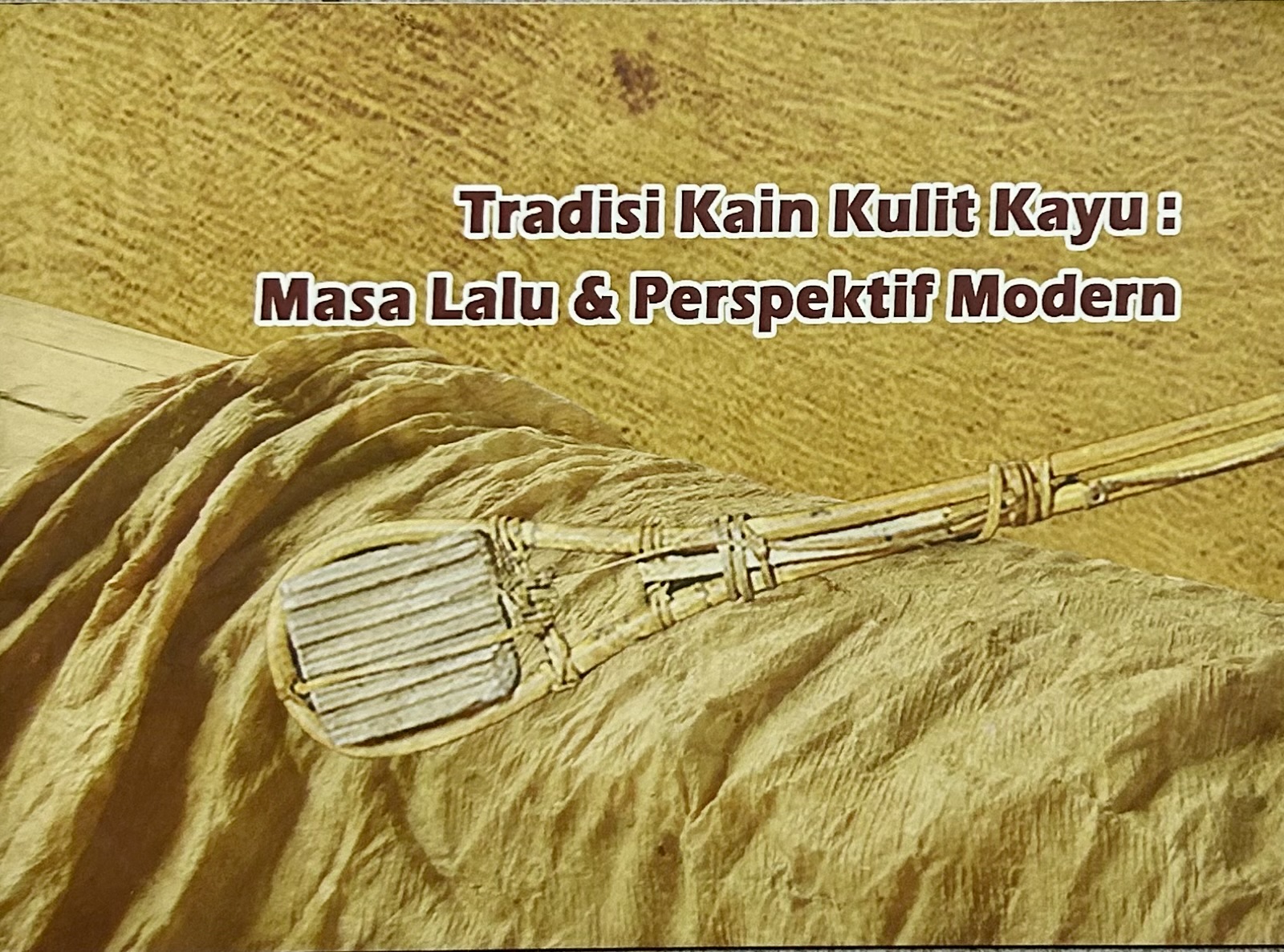
Author: Judi Achjadi et al, 2012. 24pg. (Indonesian)
Publisher: Musium Tekstil Jakarta, Musium Nasional, Sahabat Nusantara & Purbasari, Jakarta
The catalog comprehensively showcases the barkcloth traditions of Enggano, Nias, Central Java, Bali, Halmahera, Papua, Kalimantan, Central Sulawesi, North Maluku, and Papua. It features striking images sourced from the State Provincial Museums in Indonesia, highlighting the rich cultural heritage of these regions.
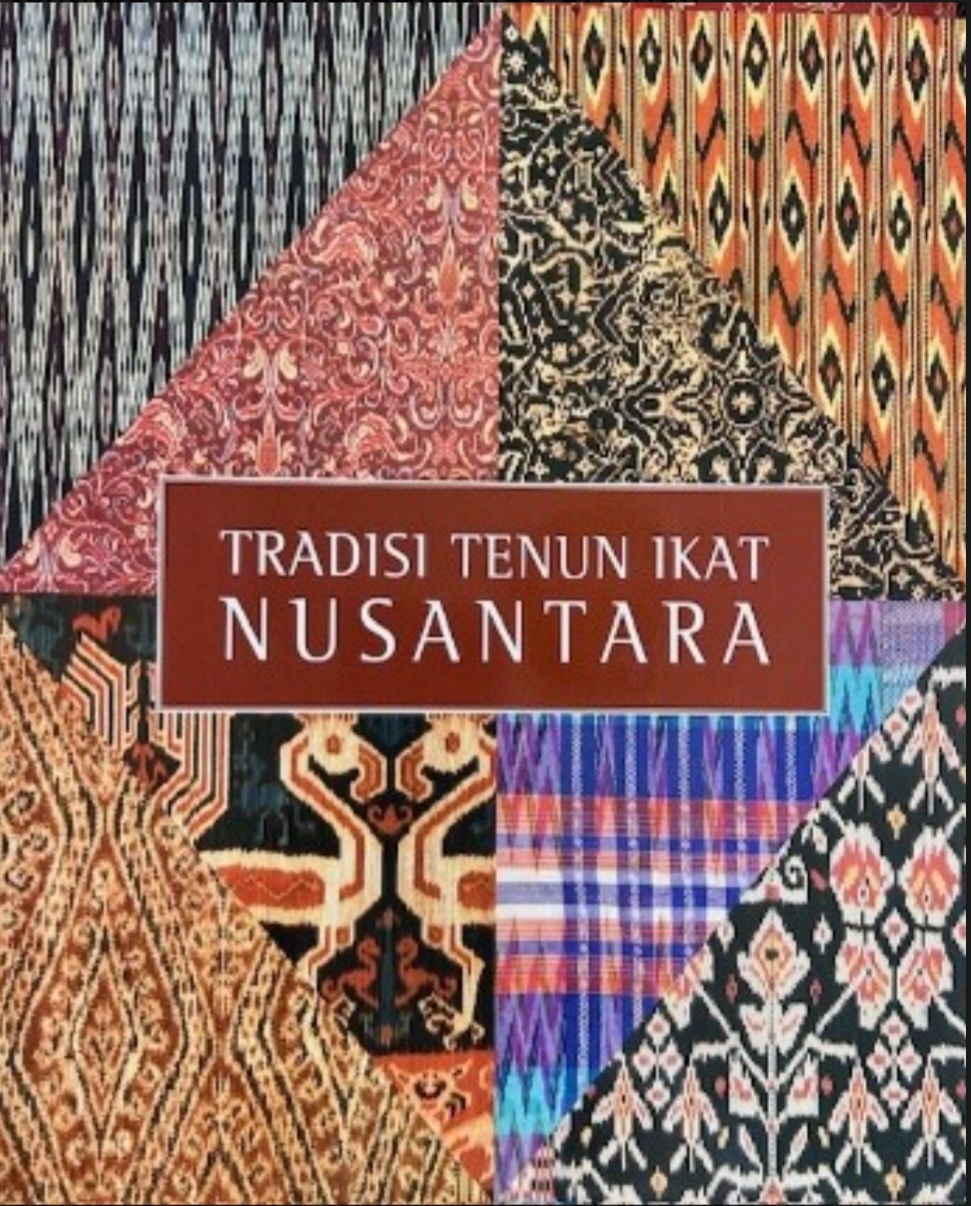
Author: Benny Gratha & Judi Achjadi, 2016. 150pg. (Indonesian). Hardcover
Publisher: BAB Publishing, Jakarta
Supported by the Ministry of Tourism of the Republic of Indonesia, this volume offers a comprehensive examination of the nation’s diverse and intricate ikat weaving traditions. The authors delineate the distinctions between ikat lungsi (warp ikat) and ikat pakan (weft ikat), supplementing their analysis with textile photographs drawn from principal production regions. The subsequent chapter highlights the ornamental motifs characteristic of ikat weaving, followed by a discussion of its functional roles within everyday life across various communities of the Indonesian archipelago.
Author: Benny Gratha & Judi Achjadi, 2016. 152pgs. (Indonesian). Hardcover.
Publisher: BAB Pubishing, Jakarta
Warp ikat weaving traditions are widely disseminated across the Indonesian archipelago. They are particularly prominent in Tapanuli, the homeland of the Batak people, and extend to the islands of Flores, Sumba, Roti, Sawu, Ndao, and Timor within the province of East Nusa Tenggara. Production also flourishes in the interior regions of Borneo, notably in Rongkong, Galumpang, and Donggala, as well as in Sulawesi and the southern Moluccas, especially on the islands of Tanimbar and Kisar. By contrast, weft ikat is primarily associated with the Palembang region, Bangka Island off Sumatra’s eastern coast, and the weaving centers of Gresik and Lamongan in East Java. Furthermore, the rare and highly complex double ikat technique is preserved in the village of Tenganan in East Bali. Across these diverse locales, warp ikat textiles exhibit distinctive stylistic and technical characteristics, each reflecting the cultural identity and artisanal heritage of their respective communities.
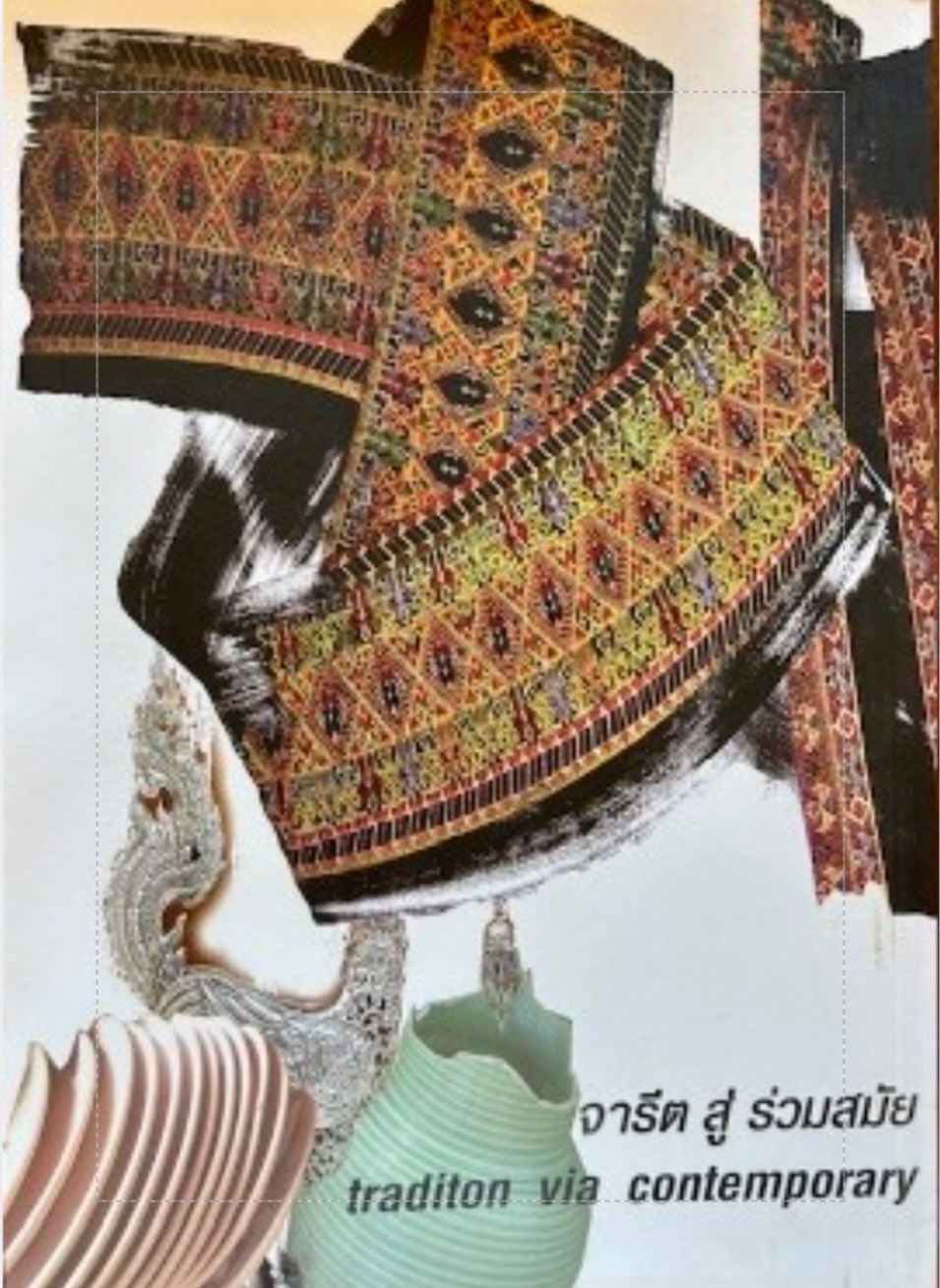
Author: Unknown, 2010, (Thai). Softcover
Publisher: Unknown
This catalog presents the work of Wattana Wattanapun, a distinguished contemporary painter whose artistic practice engages deeply with the visual and cultural heritage of traditional textiles. His oeuvre exemplifies a sophisticated dialogue between ancestral craftsmanship and modern aesthetics, reinterpreting textile motifs through painterly techniques that situate them within a contemporary art discourse. By transposing the tactile richness and symbolic resonance of fabric into the medium of painting, Wattana not only preserves cultural memory but also revitalizes it for new audiences. Beyond his contributions to fine art, Wattana Wattanapun is also recognized as the designer of the official logo of TTASSEA, a testament to his versatility and ability to translate cultural identity into visual form. His dual role as both painter and designer underscores the breadth of his creative vision, bridging tradition and innovation across multiple artistic domains.
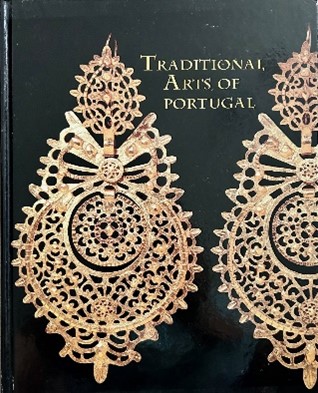
Author: Unknown. 2002. 176pg. (English)
Publisher: Ministry of Foreign Affairs, Lisbon & Musium Tekstil Jakarta
The book was specifically published to accompany a significant exhibition at the Jakarta Textile Museum in 2002. This volume prominently showcases a diverse array of items, such as embroidery, coverlets, costumes, jewellery, fishermen's shirts, painted fishing boats, carpets, and country furniture. The grand exhibition not only celebrated the enduring friendship between Indonesia and Portugal, but it also marked an unforgettable event at the dawn of the second millennium.
Page 138 of 151