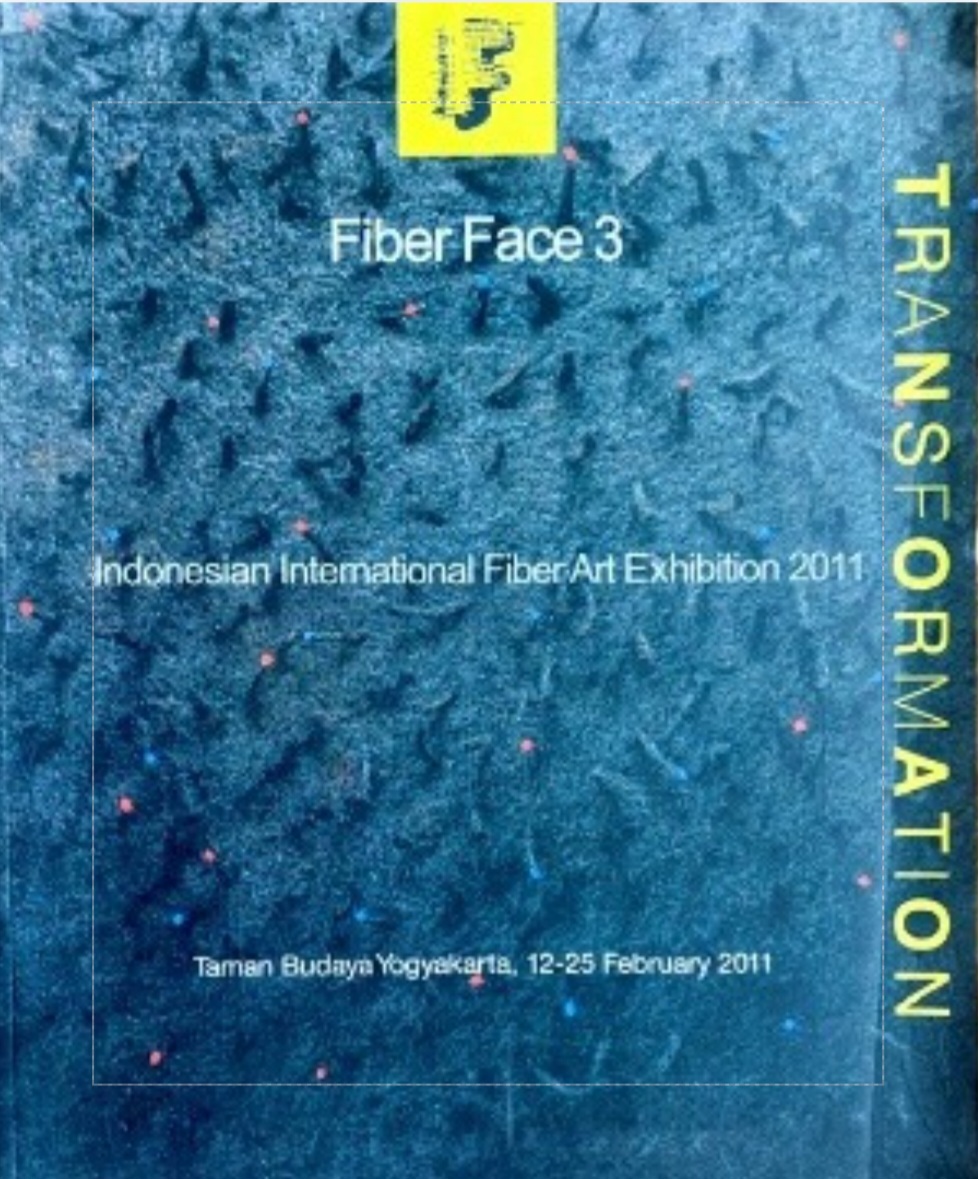
Author: Joanna Barrkman, Maradita Sutanto, MJA Bashir, Sandra Niessen, 2011, (Indonesian & English). Softcover
Publisher: Babaran Segaragunung, Yogyakarta
Fiber Face constitutes an ongoing curatorial series dedicated to the exploration of Indonesian fiber arts, foregrounding both contemporary innovation and the preservation of traditional practices. The project situates textile artistry as a vital conduit for cultural memory, honoring heritage while simultaneously interrogating its transformations in the present. The third iteration, Fiber Face 3, adopts the thematic axis of Transformation, examining the dynamic interplay between materiality and technology in fiber-based practices today. Through a constellation of artworks, technical demonstrations, and contextual documentation—including interviews, informative displays, and documentary films—the exhibition articulates how fiber arts negotiate continuity and change within shifting cultural and technological landscapes. The accompanying catalog assembles scholarly contributions that deepen this discourse. Joanna Barrkman offers critical reflections, while Maradita Sutanto’s Notes on a Forgetful Society interrogates cultural amnesia. MJA Nashir contributes Rangsa ni Tonun, a documentary illuminating the ritual and aesthetic dimensions of Ulos weaving, and Sandra Niessen provides a penetrating analysis in Tension in the Batak Warp, situating Batak textiles within broader socio-cultural frameworks. The exhibition itself presents a transnational dialogue: 21 international artists from Australia, Germany, Austria, Belgium, the United States, and Japan exhibit alongside 39 Indonesian contemporary artists and master ulos weavers from Sumatra. This juxtaposition underscores both the global resonance of fiber arts and the specificity of Indonesian textile traditions, situating them within a comparative yet culturally grounded context.
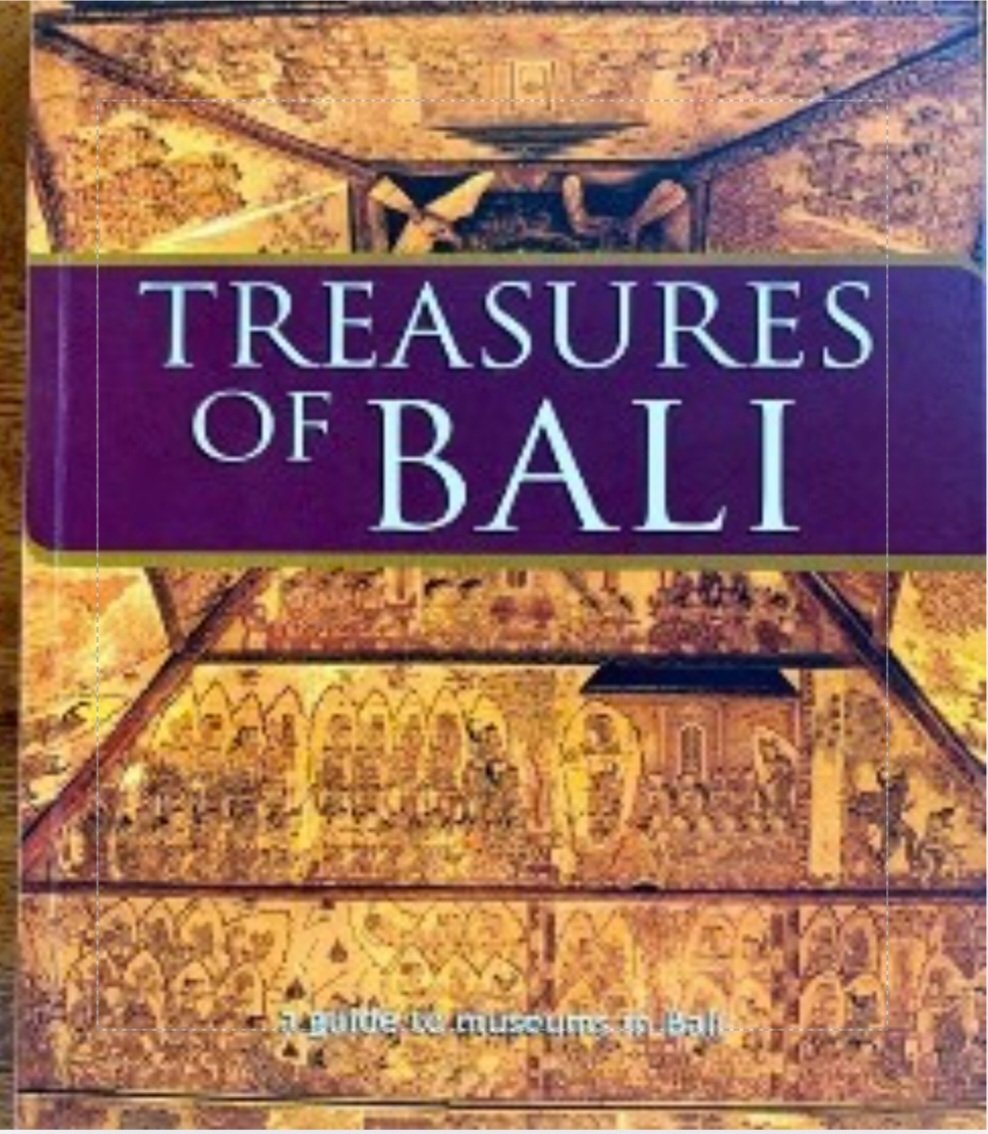
Author: Richard Mann, 2006. 192pgs. (English), Softcover
Publisher: Gateway Books International & Museum Association of Bali (HIMUSBA)
This volume constitutes a pioneering and comprehensive survey of Bali’s cultural repositories. It catalogues twenty-one museums across the island, encompassing both prominent private institutions—such as the renowned Neka Art Museum in Ubud—and lesser-known, government-run sites like the Museum Gedong Kirtya in Singaraja. Celebrated by local cultural commentators, including Murni’s in Bali, the book is recognized as the first truly exhaustive guide of its kind, addressing a significant lacuna in Balinese travel and cultural literature. While the majority of institutions are concentrated in the cultural heartland of Ubud, the text underscores the presence of important collections dispersed throughout the island, thereby illuminating the breadth and diversity of Bali’s museological landscape.
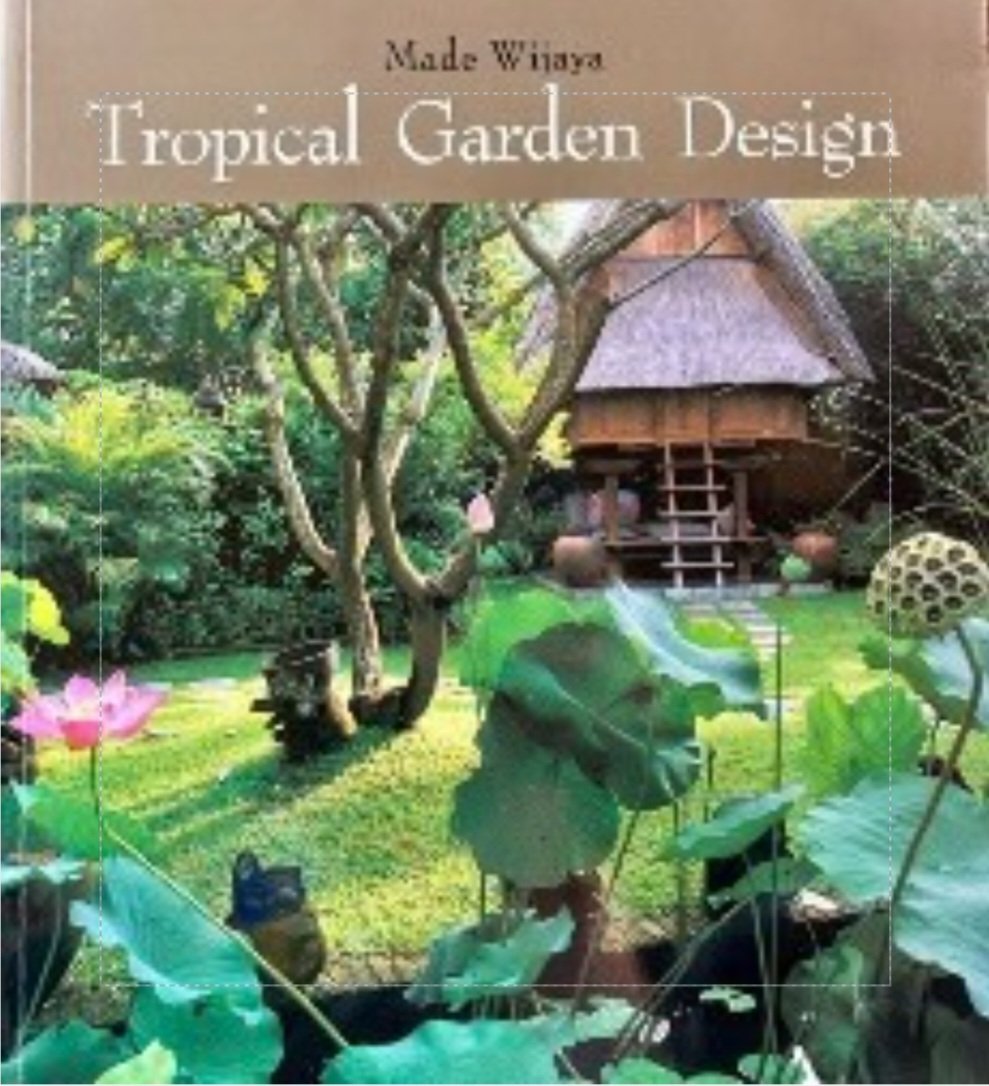
Author: Made Widjaja, 1999. 208pgs. (English). Softcover
Publisher: Archipelago Press, Singapore
This volume constitutes a richly illustrated and intellectually engaging guide to tropical landscape design. It presents verdant paradises that balance the opulent aesthetics of high‑end resorts with practical and imaginative strategies for cultivating serene outdoor environments. The work foregrounds Balinese temple and courtyard configurations, while also exploring aquatic features such as ponds, streams, and floating pavilions. It organizes design approaches into distinctive stylistic categories—including the evocative “tropical Cotswolds” and the atmospheric “ruinscape”—thereby situating landscape architecture within a broader aesthetic taxonomy. Beyond water features, the text addresses pathways, paving typologies, courtyards, and roof gardens, weaving these elements into a holistic vision of spatial composition. Drawing upon real‑world projects from luxury resorts and celebrity estates, the book deftly integrates architectural history with innovative landscaping concepts. Its scope remains firmly anchored in tropical and subtropical environments, privileging macro‑level design principles over detailed horticultural care. In doing so, it positions itself less as a manual for plant cultivation and more as a conceptual atlas of landscape aesthetics, bridging cultural heritage with contemporary design practice.

Author: Sri Soedewi Samsi, 2007, 504pg. (Indonesian), Softcover
Publisher: Sekar Jagad, Yogyakarta
This volume offers a comprehensive exploration of the diverse techniques employed in the art of Batik making, alongside an extensive survey of its rich and varied motifs. The material has been meticulously assembled by the author over the course of her distinguished career within the Batik industry. As one of the founding members of Sekar Jagad—an esteemed organization of Batik connoisseurs based in Yogyakarta—she brings both professional expertise and cultural insight to this work, situating Batik not merely as a craft but as a vital expression of Indonesian artistic heritage.
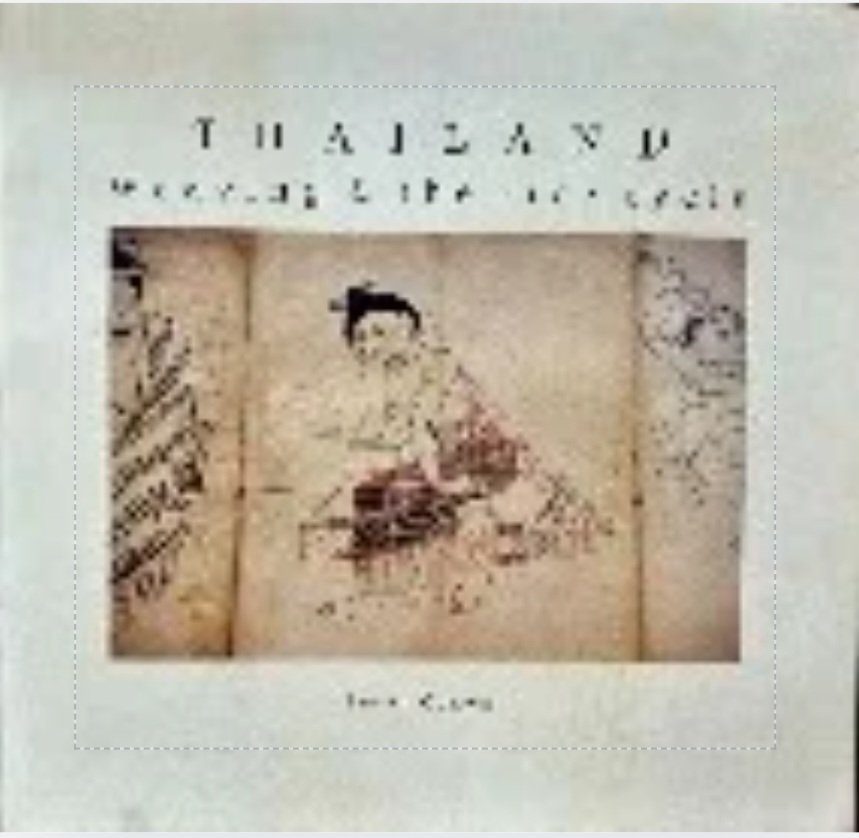
Author: Susan Conway, 1990. 24pgs. (English). Softcover. Exhibition Catalog
Publisher: unknown. Victoria Farmhouse, Carlton, Bedford, UK
This concise monograph, or exhibition catalogue, was published in conjunction with an exhibition curated and researched by Susan Conway in collaboration with the School of Textiles. The exhibition was held at the James Hockey Gallery, West Surrey College of Art and Design, Farnham, Surrey, from 22 February to 27 March 1990. It featured a collection of textiles generously loaned by the Center for the Promotion of Culture, Chiang Mai University, Thailand. The catalogue investigates the intricate relationship between traditional hand-weaving practices undertaken by rural women in northern Thailand and the cyclical rhythms of agrarian life, particularly rice cultivation. It situates weaving not merely as a craft but as an activity embedded within the ecological and temporal framework of village subsistence economies. Core Themes of the book include: Seasonal weaving practices — The text demonstrates how weaving was traditionally undertaken by women during the dry season, or in the interludes between rice planting and harvesting, thereby aligning textile production with agricultural temporality. Local materials and dyes — It highlights the use of indigenous fibers, natural dyes, and regionally distinctive motifs, connecting textile aesthetics to the broader ecological and cultural landscape of rural Thailand. Documentation of handloom traditions — The catalogue serves as an introductory visual and descriptive record of indigenous handloom practices, produced at a critical moment before the widespread displacement of artisanal weaving by industrial textile production. The subject matter of this catalogue is treated in greater depth in Conway’s subsequent monograph, Phalai – The Woven Textiles of North and North-east Thailand, published by Ruth Bean Publishers (Carlton, Bedford, MK43 7LP). While the exhibition booklet itself extends to only 24 pages, functioning more as an illustrated essay than a comprehensive academic treatise, it nonetheless laid the foundation for Conway’s later definitive work. The exhibition was widely praised by textile historians and collectors for reframing craft objects not as isolated aesthetic artifacts but as socially and ecologically situated products of the agrarian calendar. In doing so, it underscored the interdependence of material culture, gendered labor, and agricultural cycles in rural Thai society.
Page 140 of 151