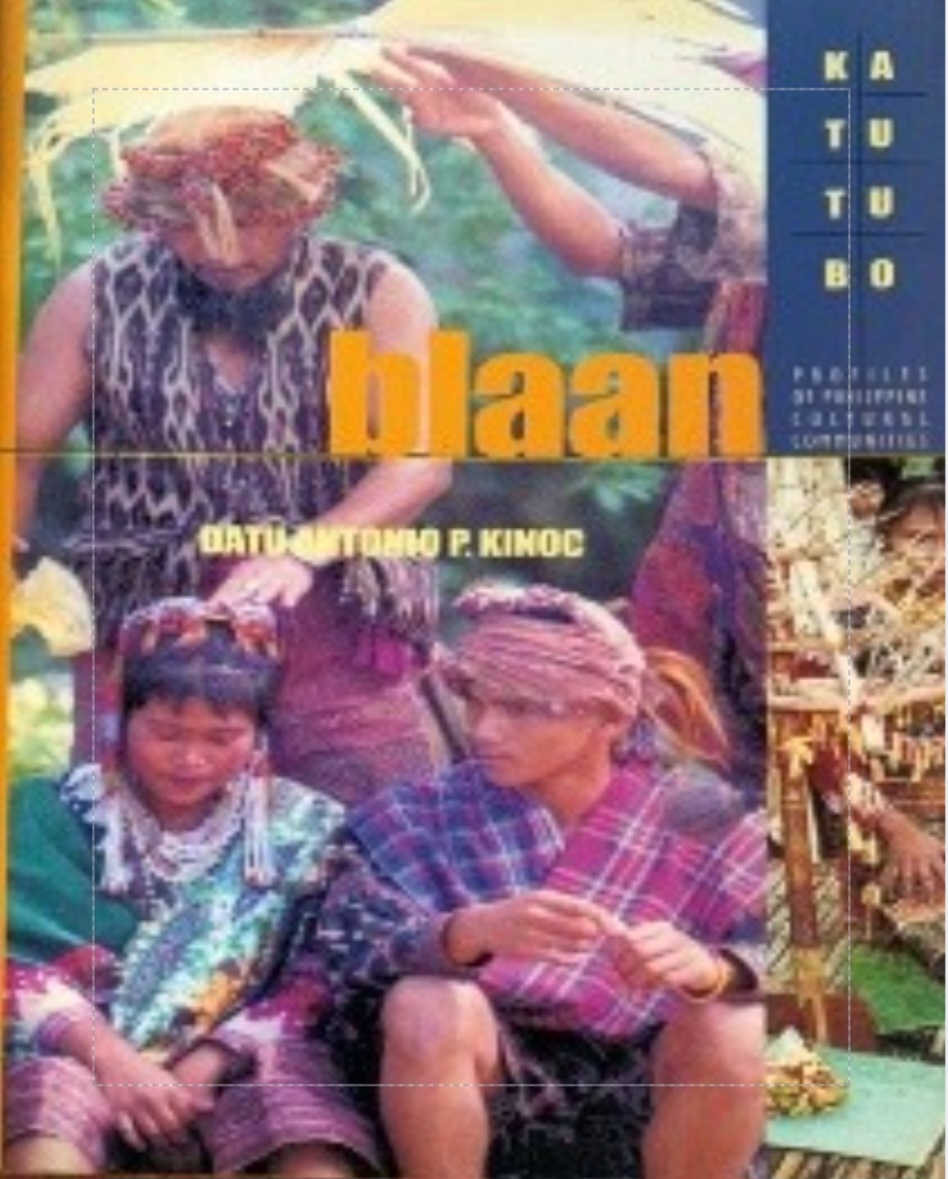
Author: Datu Antonio, P. Kinoc, 2002. 31Pgs. (English). Soft Cover. KATUTUBO - Profiles of Philippe Cultural Comunities Series
Publisher: National Commission for the Culture and the Arts
The author introduces the Blaan, an indigenous community of Southern Mindanao who were not originally highland dwellers. Their relocation to upland territories occurred in the early twentieth century, following socio-political disruptions that compelled them to abandon their coastal settlements. Today, the Blaan domain constitutes the most extensive territorial expanse among the region’s ethnic groups. The discussion encompasses the intricacies of their family structure and social organization, as well as their distinctive cultural practices. These include burial traditions, artistic expressions in arts and crafts, the preservation of folklore, and the role of sports in community life. Collectively, these elements provide a holistic view of the Blaan’s adaptive strategies, cultural resilience, and contributions to the ethnographic landscape of Southern Mindanao.
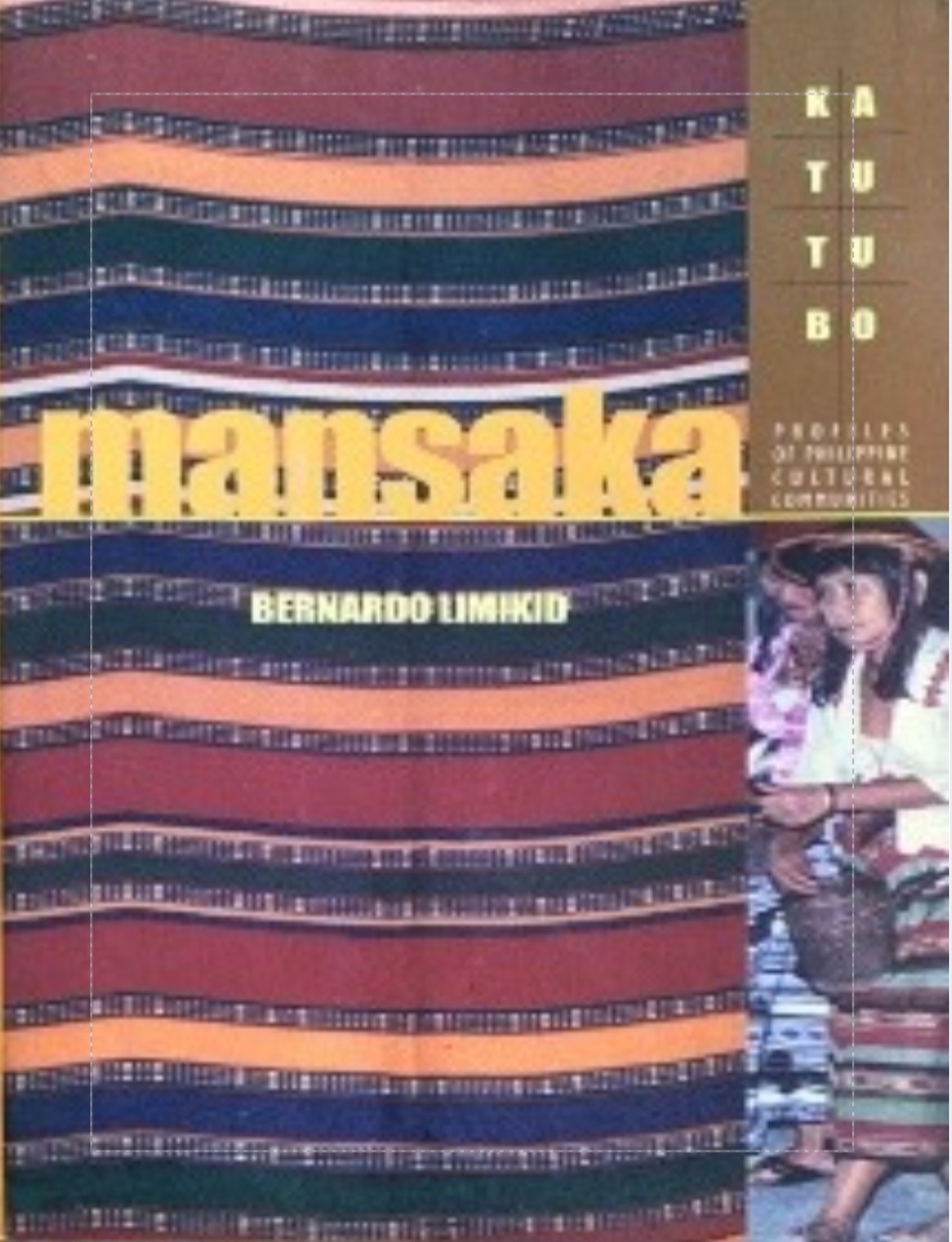
Author: Bernardo Limikit, 2002. 46Pgs. (English). Soft Cover. KATUTUBO - Profiles of Philippe Cultural Comunities Series
Publisher: National Commission for the Culture and the Arts
The author introduces one of the seventy-seven recognized indigenous groups inhabiting the Philippine archipelago. Specifically, attention is directed toward the Mansaka, an ethnolinguistic community whose cultural practices and social structures reflect a deep connection to their ancestral heritage. The discussion encompasses a comprehensive examination of various dimensions of Mansaka life, including traditional attire, kinship systems, and patterns of inter-relationship within the community. Equally significant is the group’s profound respect for the environment, which informs their economic activities and sustains their way of life. The author also explores the Mansaka’s spiritual worldview, highlighting their religious beliefs, rituals, and ceremonial practices that reinforce communal identity and continuity. Furthermore, the narrative considers the expressive dimensions of Mansaka culture, such as their musical instruments, dances, and culinary traditions, all of which serve as vital markers of cultural distinctiveness.
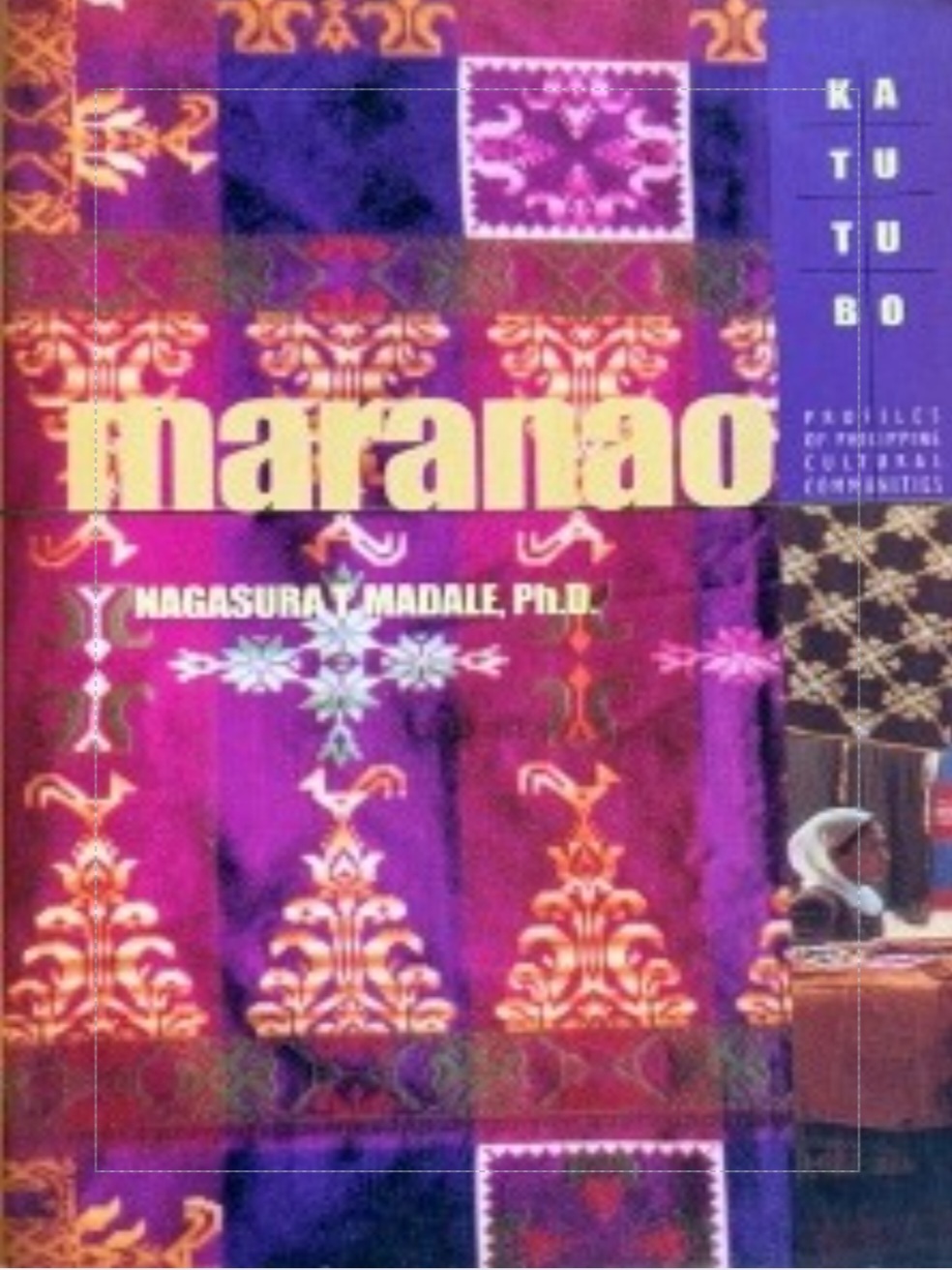
Author: Nagasura T. Madale, 2002. 41Pgs. (English). Soft Cover. KATUTUBO - Profiles of Philippe Cultural Comunities Series
Publisher: National Commission for the Culture and the Arts
The booklet provides a concise introduction to the Marano, one of the 185 ethnolinguistic groups inhabiting the Philippine Islands. It discusses the etymology of the term, offers a genealogical account, and situates the group within its geographical and cultural setting. Furthermore, it examines the units of social organization, material culture, music, weaponry, household implements, recreational activities, belief systems, and other aspects of Marano life.

Author: Glenn Vinson, 2023. (214 pg.) 188 color images. (in English).
Publisher: CA Book Publishing, USA.
This collection of Indonesian textiles and some related Indian textiles that were popular and influential in Indonesian usage and design came together in a series of collecting periods spanning nearly 40 years.
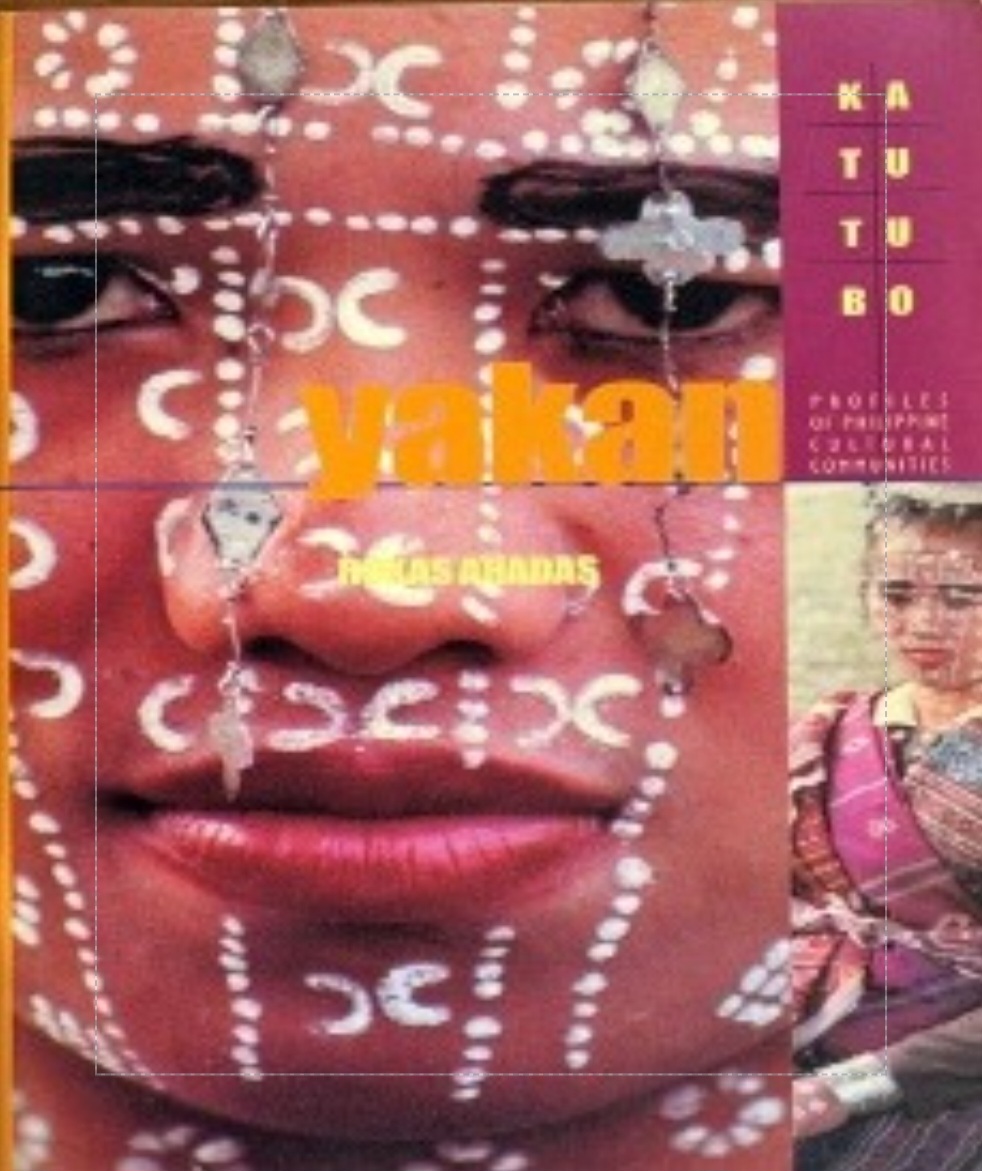
Author: Roxas Ahadas, 2002. 34Pgs. (English). Soft Cover. KATUTUBO - Profiles of Philippe Cultural Comunities Series
Publisher: National Commission for the Culture and the Arts
Although limited scholarly attention has been devoted to the Yakan, the author provides a substantive introduction to their cultural and historical milieu. The narrative encompasses the legendary origins of the island province Basilan and the ethnogenesis of the ethnic group Yakan, tracing their historical trajectory and rich cultural heritage. It further examines the Yakan’s experiences in conflict, their customary law, political institutions, and economic structures. In addition, the account highlights their musical traditions, religious practices, and the intricate rituals that mark the Yakan life cycle.
Page 141 of 151